

I started reading Nobel-winner Svetlana Alexievich’s remarkable Chernobyl Prayer: Voices from Chernobyl on the train to Kyiv last month but progress has been a little choppy. Not because of the book itself, I hasten to add. I’ve been rather preoccupied! But since returning, I’ve got into its flow and can’t put it down. It is lyrical in the most unexpected way, as far removed from the tropes of reportage as it is possible to get. If anything, this makes it even more harrowing. But it’s easy to see from even the first chapter why Alexievich’s prose has garnered such praise. What I particularly admire is her openness in groping for the right language for the catastrophe, an experience for which no previous events in human history could possibly have prepared.
I mention this now because of last week’s news that Kyiv’s Chernobyl Museum (or Chornobyl as it is in Ukrainian) was destroyed during yet another Russian raid. 40% of its possessions were lost. This is a tragedy. I went round it in February 2020 (not long before the Covid lockdowns) and was deeply affected by it. It corroborated more or less everything I picked up from Craig Mazin’s extraordinary HBO series (which I still consider to be one of the greatest achievements in modern TV making), and some. Incidentally, some of the show’s individual stories derive from Alexievich’s book. Here are a few images (more in the Flickr album from that visit, including of the Babyn Yar memorial).
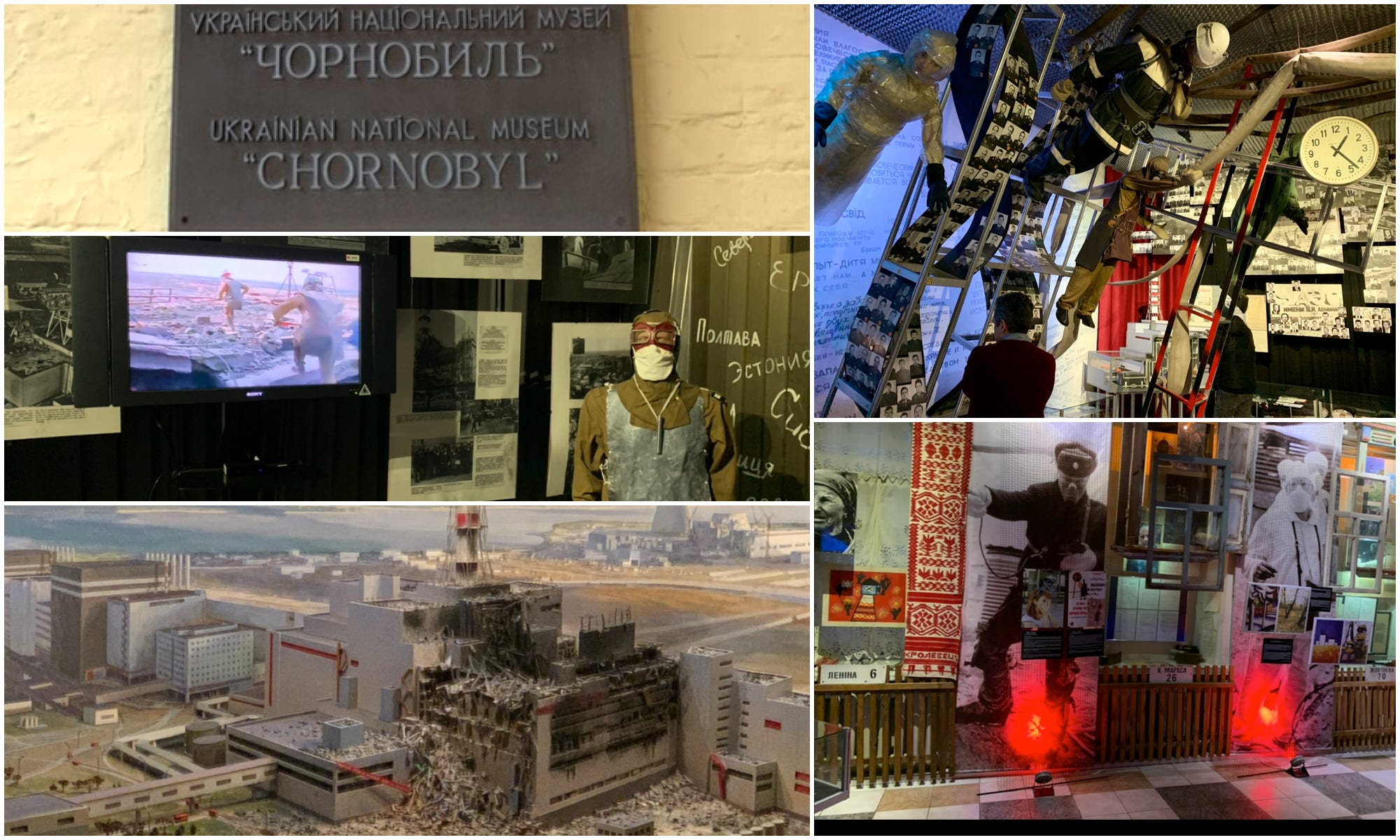
What I hadn’t realised was that it had undergone a significant upgrade and renovation in the last year or two, and was only reopened back in April. It is only 15 minutes walk from the friends I most often stay with in the city and was housed in quite an historic fire station. Its famous training tower has now of course been turned to dust.
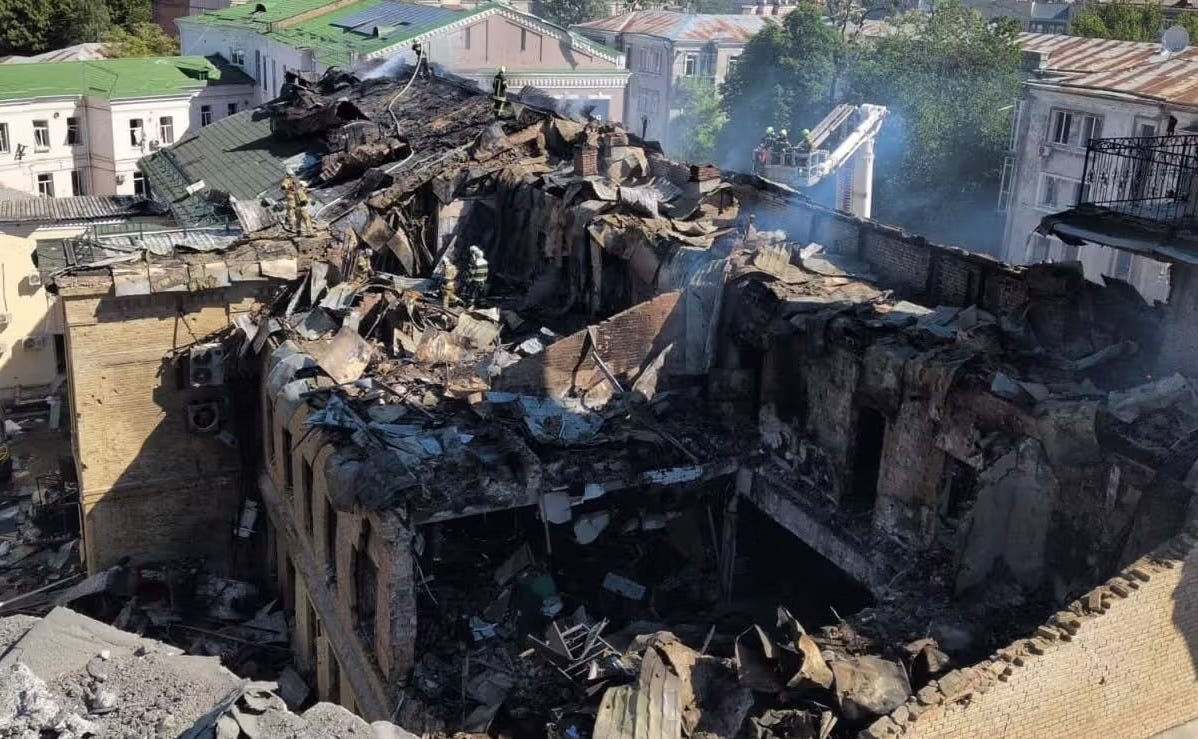
With typical Ukrainian resilience and understatement, the museum website insists the closure is only temporary. I can only hope that its third iteration is the very best.
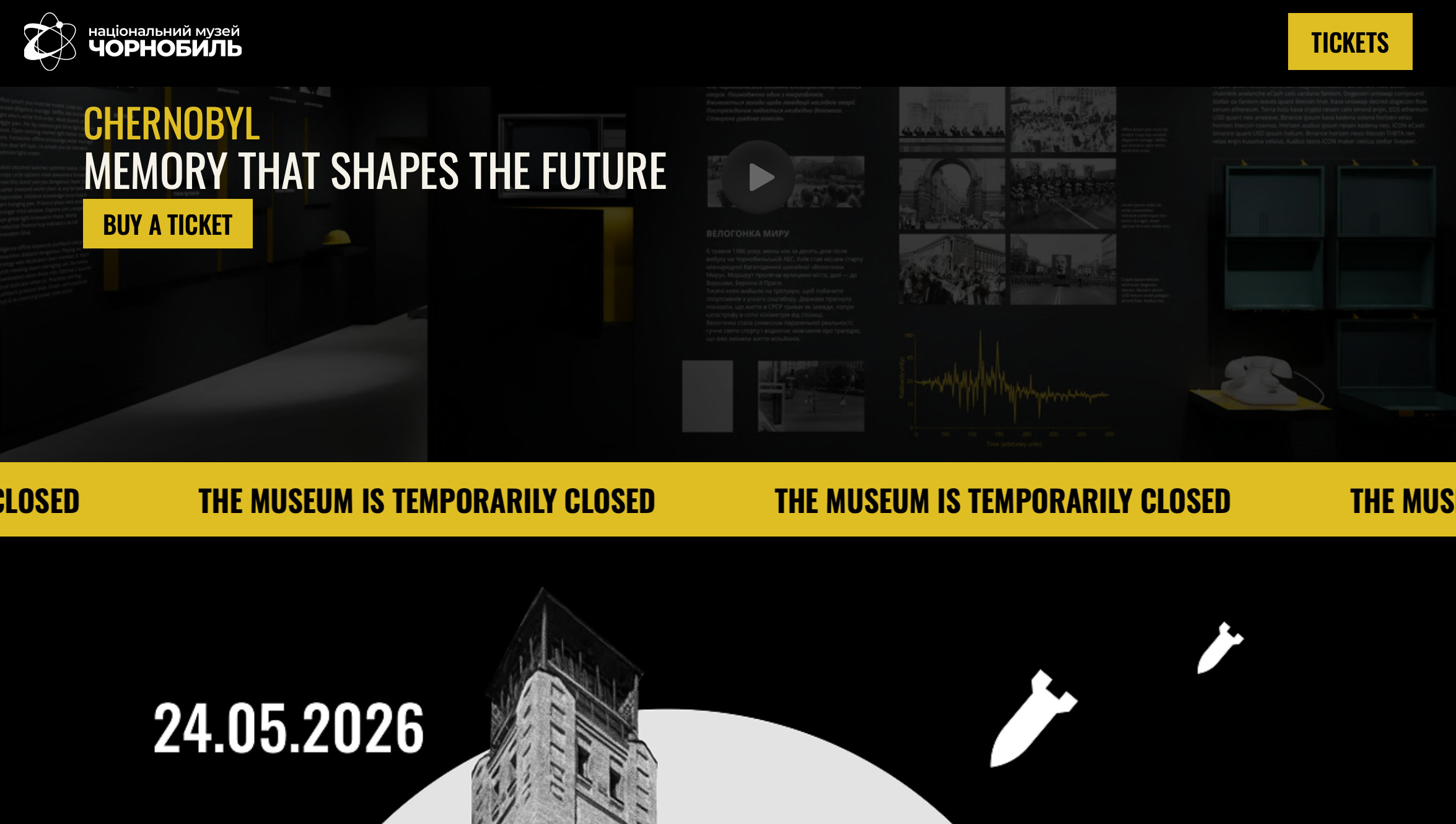
But notice the strapline:
Memory that shapes the future.
There’s the point. The museum does not exist to satisfy ghoulish curiosity, still less to capitalise on the obsessions of a few catastrophe-porn addicts. Its very existence is an act of memory, to jolt us out of complacency that inevitably smothers any desire to act or expose or speak.
I’ve no idea whether or not the museum was targeted. Putin’s missiles are reasonably accurate but from what I understand, his drones are scarily accurate. All of it is terrifying and lethal. There is no doubt, however, that he seeks to destroy icons of Ukrainian culture and history, and so it is perfectly plausible. We know that he wants to eradicate inconvenient or uncompliant memory: because, with perfect Orwellian logic, he has internalised what Winston Smith slowly recognised:
Who controls the past, controls the future: who controls the present, controls the past… The mutability of the past is the central tenet of Ingsoc [English Socialist Party]. Past events, it is argued, have no objective existence, but survive only in written records and in human memories. The past is whatever the records and the memories agree upon. And since the Party is in full control of all records, and in equally full control of the minds of its members, it follows that the past is whatever the Party chooses to make it. (Orwell, 1984, p162)
Why else would Putin shut down the work of MEMORIAL, (the organisation created in 1989 to uncover and record the atrocities of the Soviet era)? But despite being banned in Russia in Dec 2021 (surely no coincidence that the Ukraine invasion began two months later??), it continues its work: a worthy joint-winner of the Nobel Peace prize less than a year later.
For all the frailties and partialities of human memory, it is essential to invest in it. It demands effort and investment. For one thing, digitisation is good but insufficient; it is more vulnerable than is often appreciated.
Otherwise, we are reeds in the gusts caused by the flailing arms of those who master our present.