

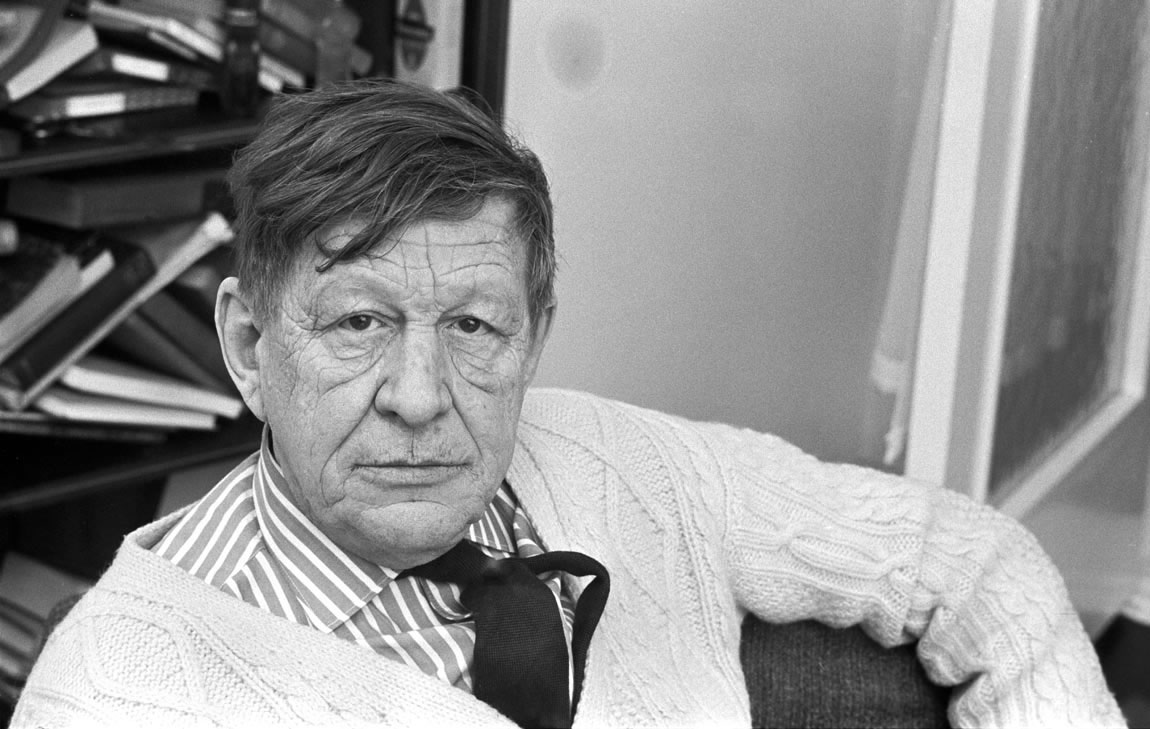
 Wystan Auden (1908-1973) was British-American and one of the most celebrated poets of his generation. He would emigrate from the UK to the USA in 1939 on the eve of the Second World War (something for which many in the British establishment never forgave him). But before he crossed the Atlantic, he saw his role as a form of literary journalist. After witnessing something of the horrors of the Spanish Civil War, he travelled around Europe as many increasingly felt the inevitability of renewed conflict, a mere twenty years or so after the Armistice ending the previous war.
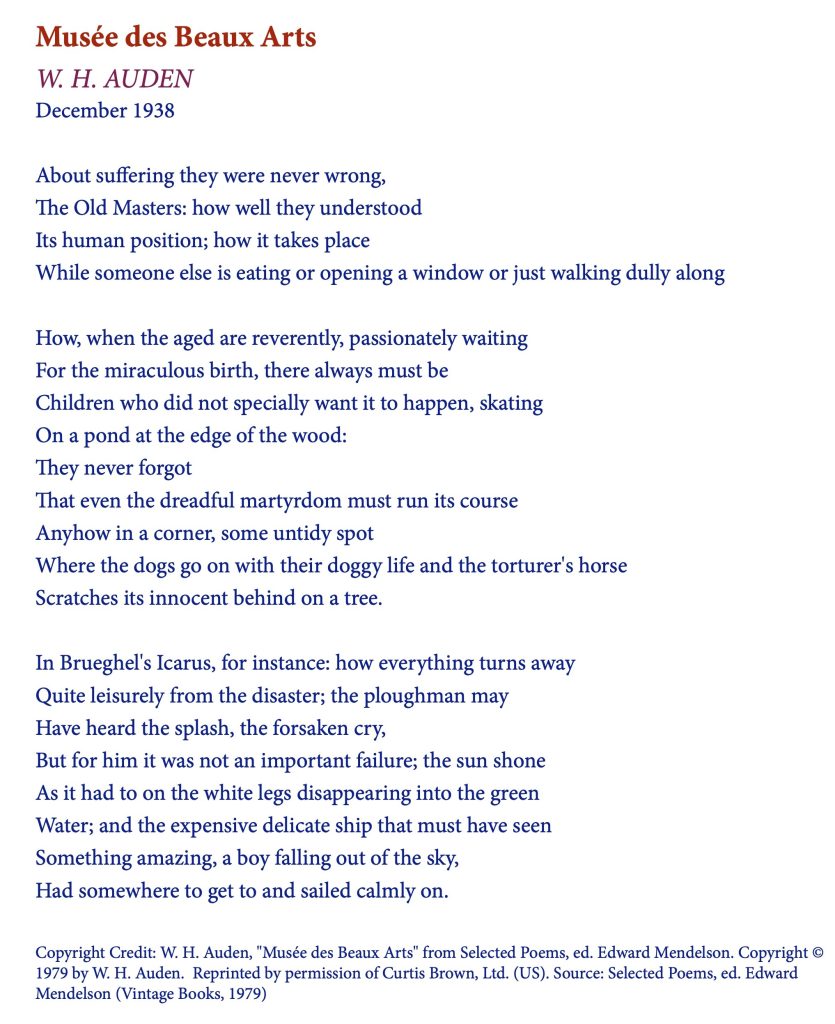
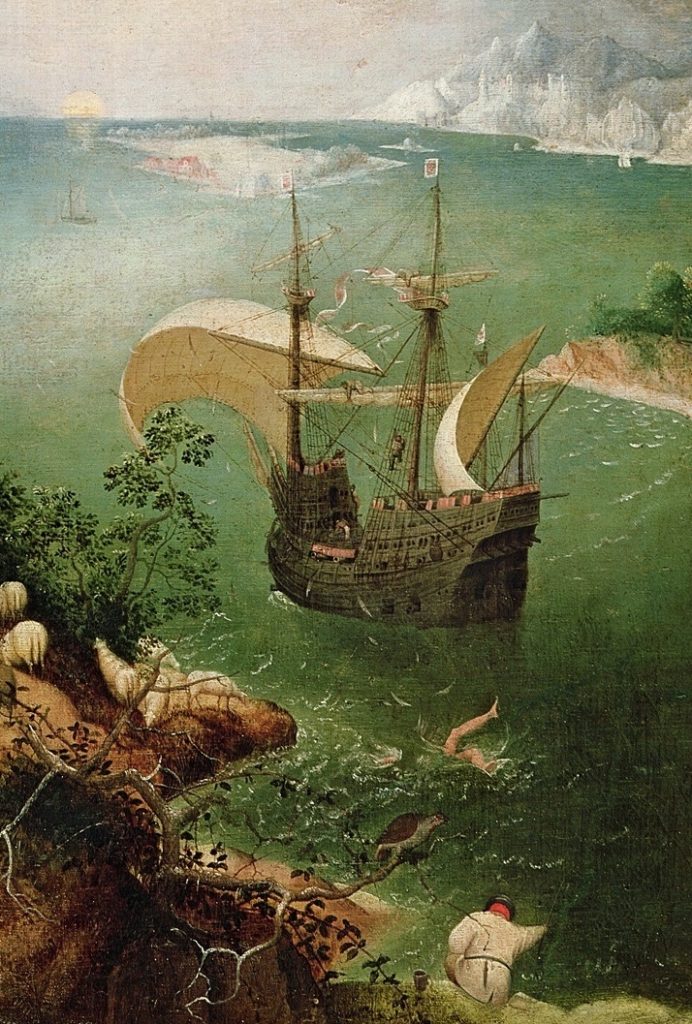
In Brussels, he visited Belgium’s fine art museum, and found himself gripped by several works in the gallery’s Brueghel room. Pieter Brueghel the Elder (c1525-1569) was a Dutch Old Master who specialised in complex group scenes and landscapes, often setting biblical or mythological narratives in the world of his contemporaries. In the course of his poem, Auden alludes to three such paintings, although it is the 3rd (Landscape with the Fall of Icarus) which held his primary focus.

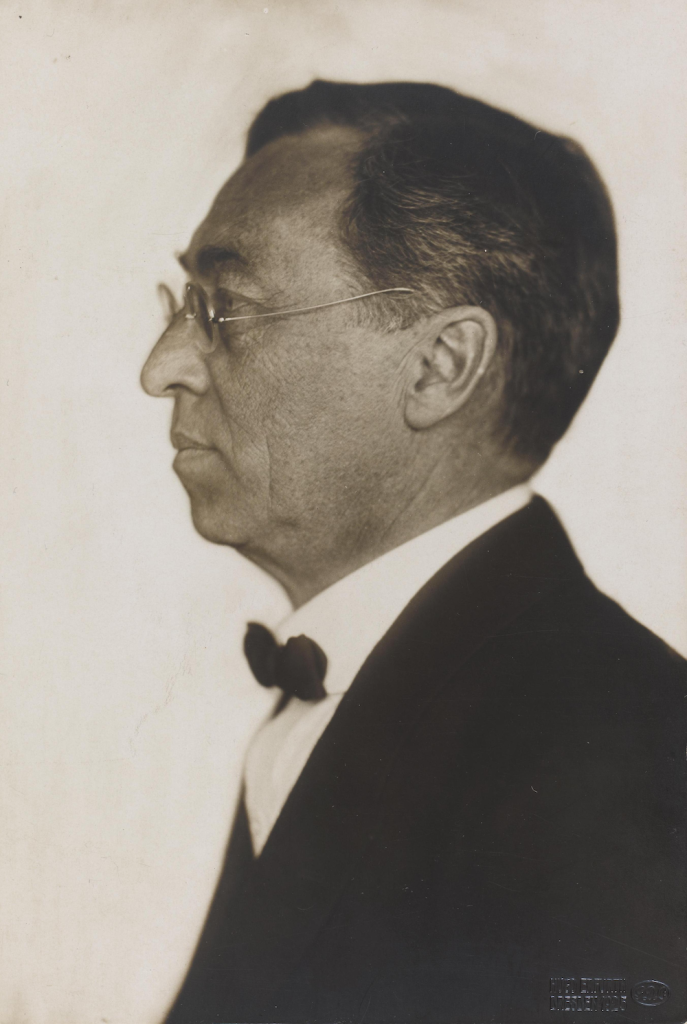
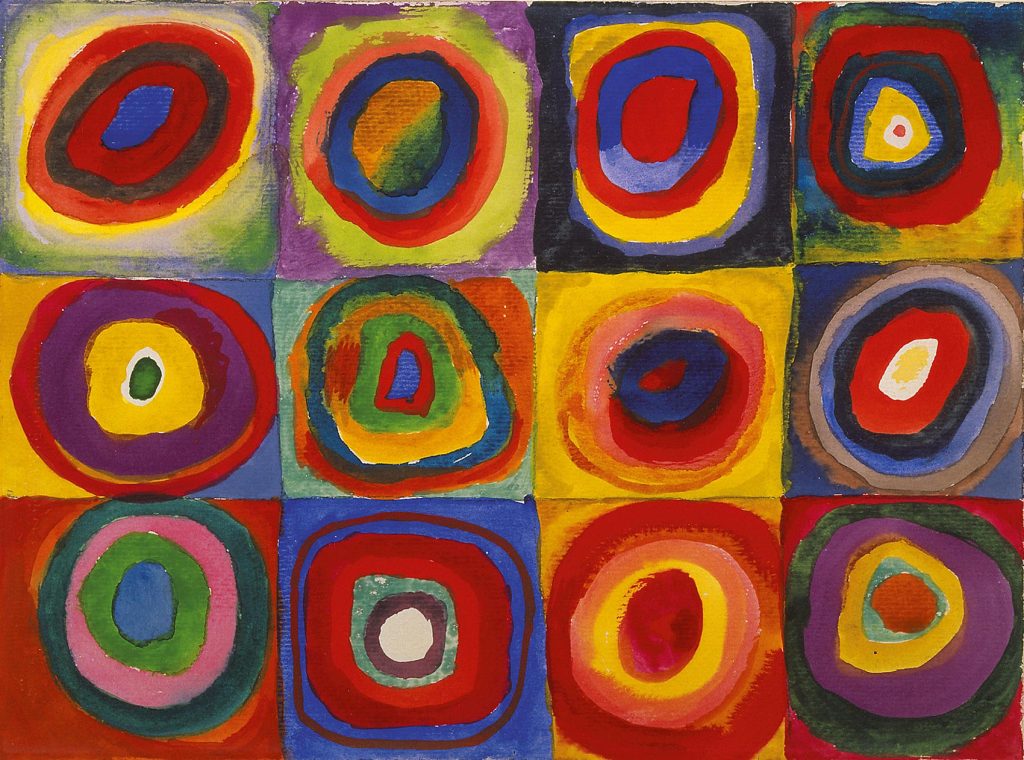
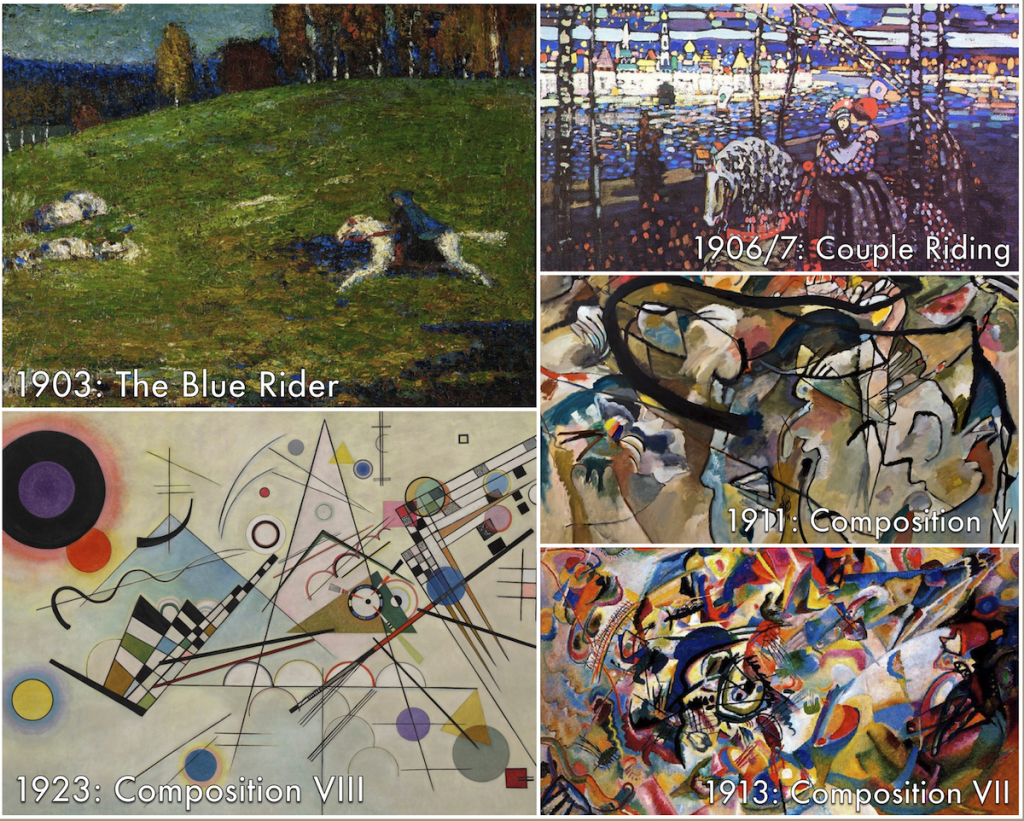
Wassily Kandinsky (1866-1944) was a pioneering Russian-born artist and theorist who emigrated to France in the 1930s after living in Germany (including a decade teaching at the famous Bauhaus). He was committed to finding ways to create ‘pure’ art through use of abstraction and colour especially.
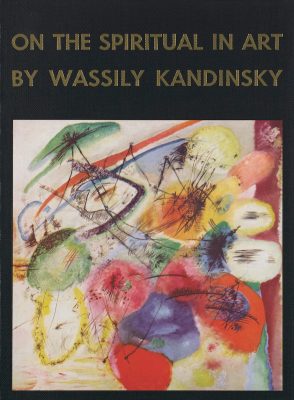 His first career was in academic law, and he was very successful, being offered a professorship in Estonia before he was 30. But he turned his back on it to concentrate on painting, beginning his studies in Munich in 1896. He moved back and forth between Central Europe and Russia even after the 1917 Russian Revolution, but he soon realised that his outlook was worlds apart from that of the new regime.
Quite what his beliefs were is hard to pin down, but at the very least he was influenced by a unique cocktail of Russian Orthodoxy, Theosophy, Wagnerian theories of total art, and much besides. He was famously synaesthesic (as Sophie explains in the episode) which features in his extraordinary 1910, Concerning the Spiritual in Art.
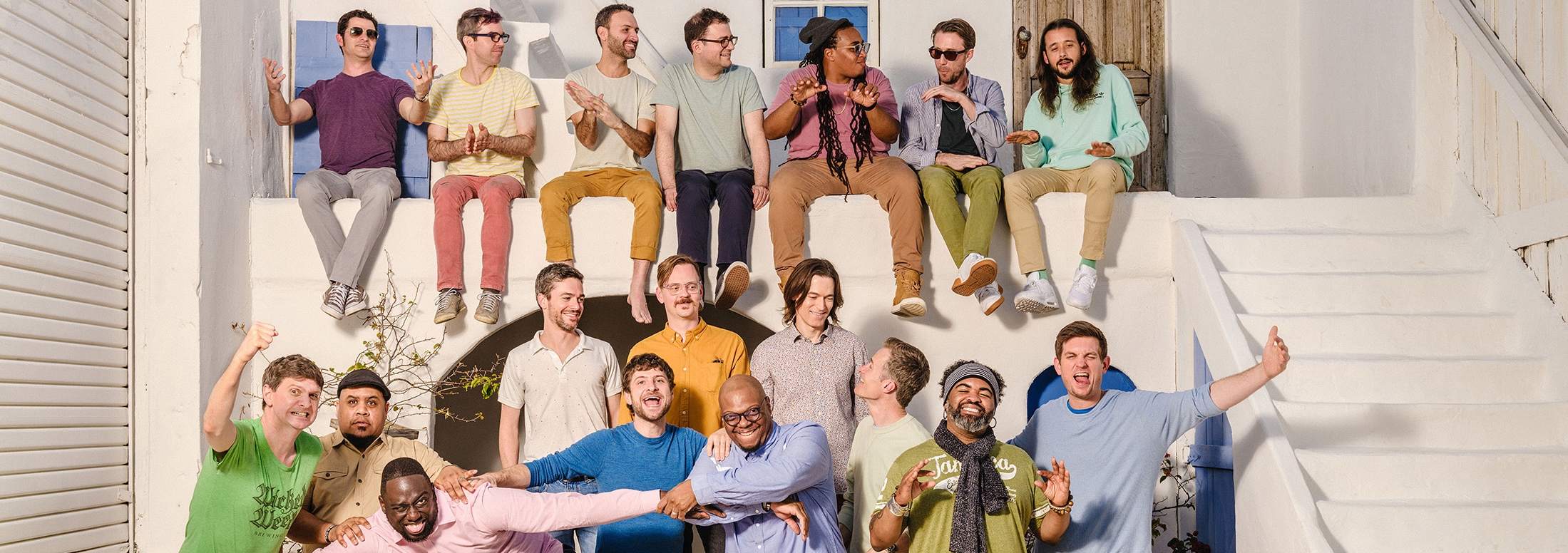
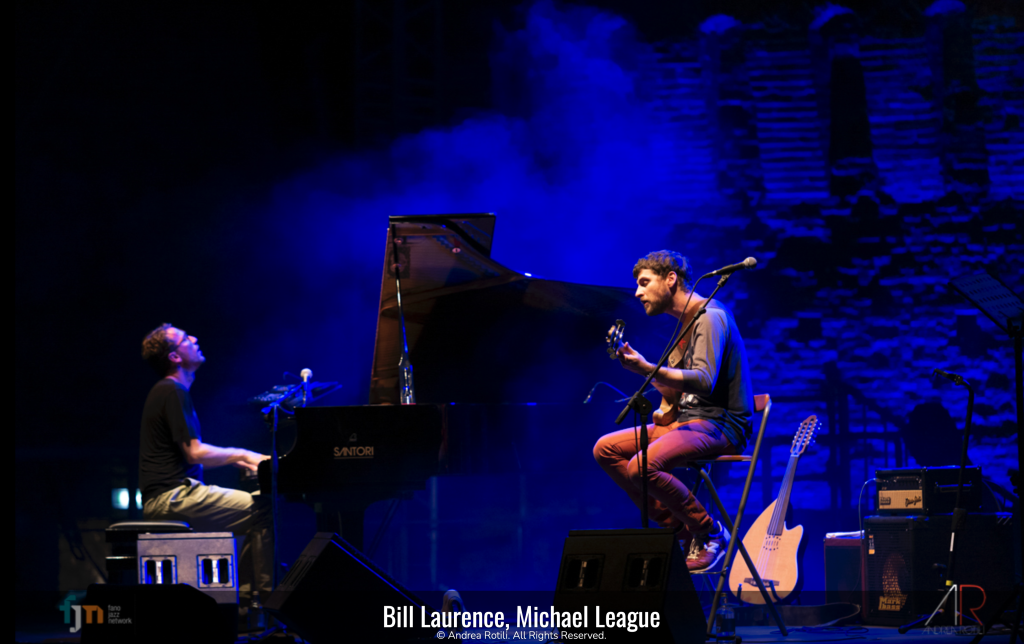
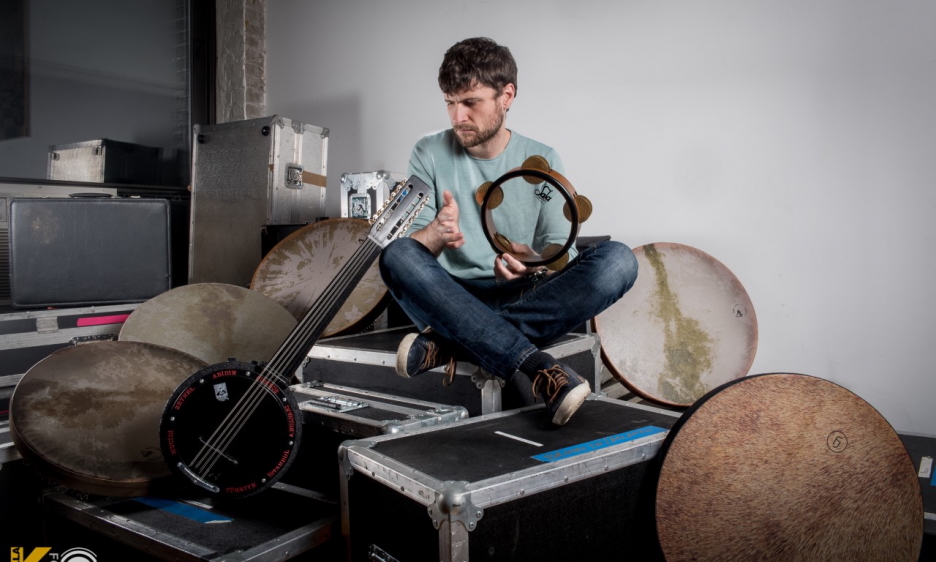 Snarky Puppy is a jazz fusion collective started by the legend that is bassist Michael League (right) in 2004. Since then over 40 musicians have played with them at various points, though they usually feature 10-15 players at a time in the studio or live.
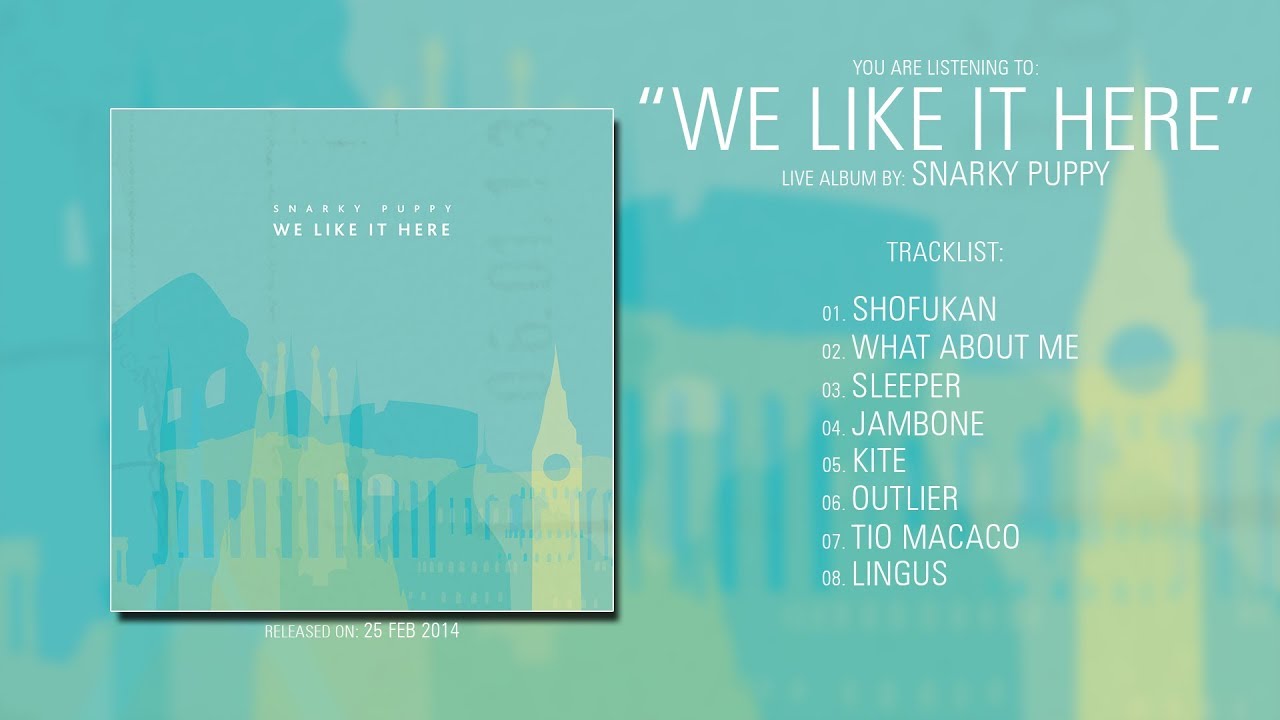 Their 2014 album We Like It Here was made while the band was doing a huge European tour, and was recorded before a live audience in Utrecht, Netherlands on four consecutive nights.
The final track, Lingus, apparently got its title from the fact that League was jotting down parts for the different musicians while on an Aer Lingus flight!
Podcast: Play in new window | Download