


But I heard stories of what friends of friends (of friends sometimes) had gone through in some Ugandan so-called churches. The more one learnt, the harder it was to resist concluding these were full-blown cults by any definition.  It’s perhaps hardly surprising in a context of so much spiritual fervour mixed in with deep spiritual and physical need, while the majority of religious leaders have never had any formal training or mentoring in healthy practices.
I’ve been pondering this a lot in the last week prompted by the airing at last of a long-running investigation by folks at BBC Africa into TB Joshua and his Synagogue Church of All Nations (SCOAN). The stories that have emerged are truly horrendous. I’ve heard of a number of these health/wealth/miracle preachers over the years, but somehow TB Joshua passed me by. It has led me to revisit the important (now republished) 2011 book by my friend and colleague Femi Adeleye: Preachers of a Different Gospel. It’s hardly gone out of date and is required reading, and not just for African or African diaspora churches…
This is because the horrors of SCOAN sucked in people from all over the world, including the UK. BBC investigators interviewed scores of people, including some young Brits who spent 10-15 YEARS at SCOAN’s HQ in Lagos, Nigeria. But as one interviewee acerbically noted, it only became news because white people got sucked in…
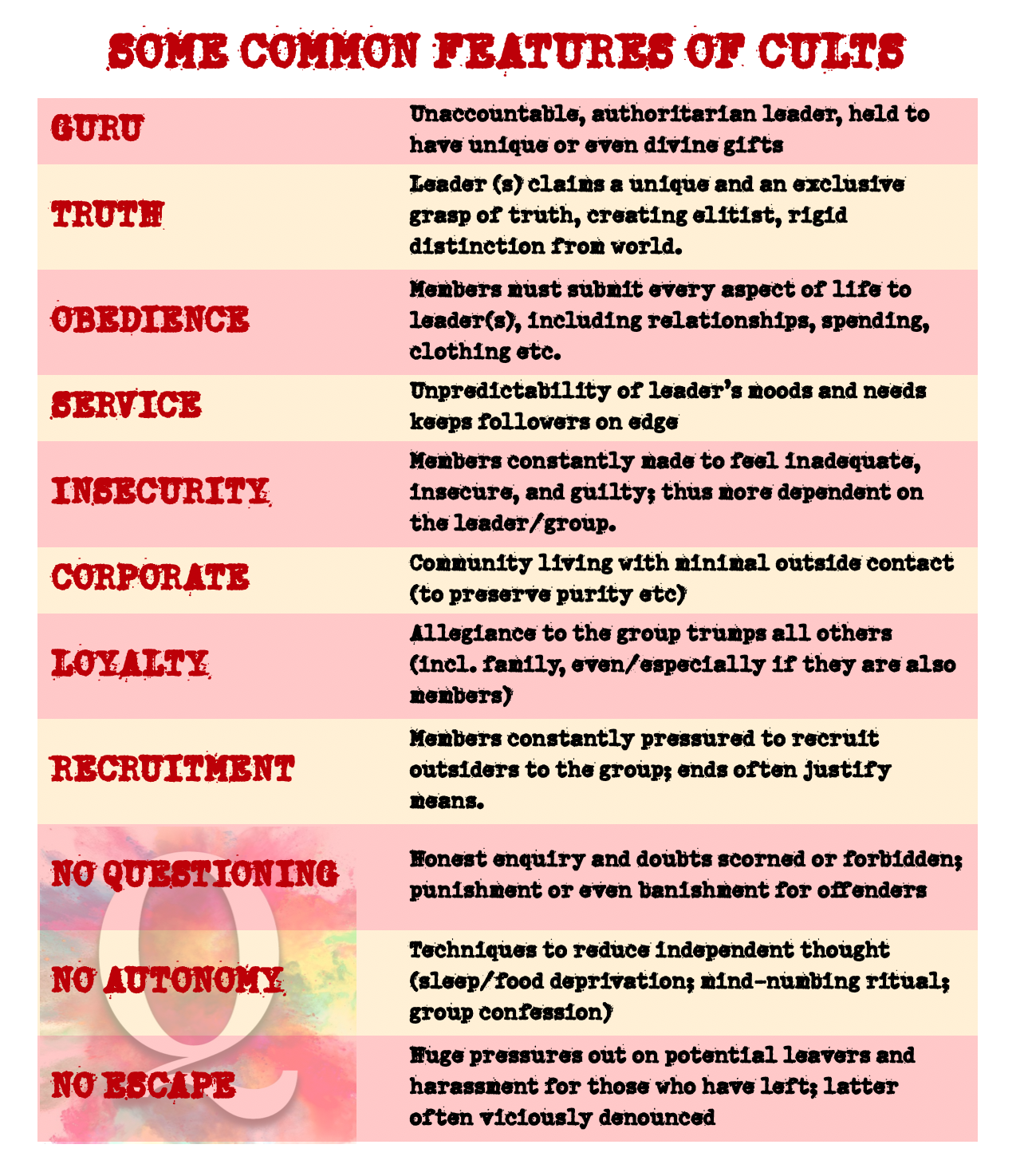 Cults of all shapes and beliefs share chillingly similar characteristics, regardless of whether or not they are religious. But as the stories emerge, SCOAN seems to tick all the boxes (click the table, right, for more detail).
 The BBC has broadcast its investigation in different forms. I heard the 9-part podcast (available both on BBC Sounds and normal podcast apps) released as Series 2 of the World of Secrets programme. The reporters talk to people in both Nigeria and the UK (although of course SCOAN drew people from all over the world). Their stories are truly heartbreaking. If you’re not a pod-person, then some of the reporting is written up on the World Service website here.
The ministry was built around claims to extraordinary miracles performed by Joshua and his acolytes. But evidence and testimonies about the many sleights of hand, not to mention outright fraud, are rife. 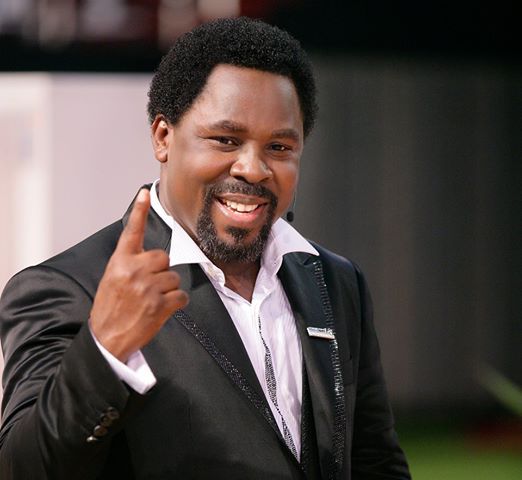 Then the stories report horrendous mind-games, dehumanising routines and practices, humiliating treatment that qualifies as torture, plus frequent sexual abuse of the first order by TB Joshua himself. Accounts of various long-term members of SCOAN converge on this, as does Joshua’s own, illegitimate daughter (interviewed extensively in ep9 of the podcast).
It is gruelling to listen to all this. But I do think it’s important. Because so many were taken in. Including those that one might assume would see through it all (whether because of education, background, culture or whatever). But TB Joshua was clearly very good at what he did and died just in 2021 having escaped justice and universal exposure.
Winchester really isn’t a place one might expect to feature in this story. It’s well-to-do, full of beautiful, ancient buildings and has a history of Jane-Austen-style gentility. But Immanuel, a charismatic church in the city became fascinated with SCOAN in the 90s, almost as the logical progression from the so-called Toronto Blessing (for which church members flew to the Toronto Airport Vineyard church to experience what was going on there). Several members of one family in particular went to Lagos to join SCOAN, some of whom are still there.
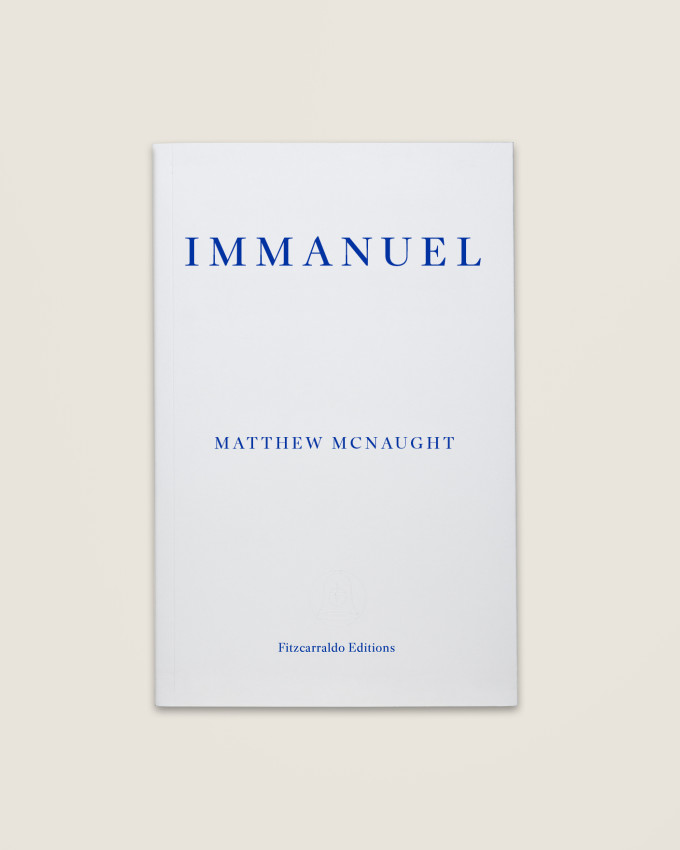 One of the interviewees in the BBC podcast was Matthew McNaught, a mental health worker in Southampton. He and his family were Immanuel members when he was a teenager, but were sceptical about Toronto and SCOAN. Matthew then in fact drifted away from Christian faith altogether when he went to university, though other family members haven’t. But he was shocked by what had happened in Lagos to old friends, and eventually, he and his brother set up the TB Joshua Watch website. Despite attacks from SCOAN and copycat fake news sites, they have provided an extraordinary platform to bring help to people.
But just a little digging led me to read Matthew’s recent book, simply called Immanuel. I finished in just two days. He is generous and fair, and not a little wistful about his time as a Christian and Immanuel member. He writes with great sensitivity about friends drawn in to the darker stuff. But he’s essentially trying to figure out (as an outsider) both what makes a church like SCOAN thrive in the West African context, AND simultaneously draw people from profoundly different cultures as well. TB Joshua was very keen on drawing in white people, and would assiduously use them to front publicity materials or media. But it’s more than that. That’s not enough for people to give up a whole decade of their lives.
So I really admired this book’s willingness to ask diligent and searching questions while maintaining civility and openness (despite his personal religious scepticism). It really is a model. It is also beautifully and engagingly written, with real empathy and pathos. How he answers the WHY questions is too complex to summarise here. I would just say that so much of it made total sense and fitted with what I remember of UK church culture in the 90s and early 00s, and the friends in charismatic churches. I cannot recommend it highly enough. But if you can’t face the whole thing, here’s a long read article he wrote for the Guardian in 2021.
2 responses