


This has been a hobby horse for years; primarily, I guess, because I never feel I’ve plumbed my concerns with it.
It just works, ok!
And that’s the point. Pragmatism works. There was a certain Christian publisher several decades ago that had this fairly notorious strapline:
Tools to get the job done!
I shall preserve its anonymity to protect its blushes. But it rather beautifully distils both the concept … and the flaws. Because pragmatism is so closely related to post-enlightenment, modernist thinking, let me evaluate it in classic modernist terms: the cost/benefit analysis.
Pragmatism has its benefits…
Who doesn’t want a task to be undertaken in the most efficient, cost-effective, well-planned way? You’d need to be a mug not to. These are the bare bones of business and organisational activity. And it’s true that churches have much to learn from them.
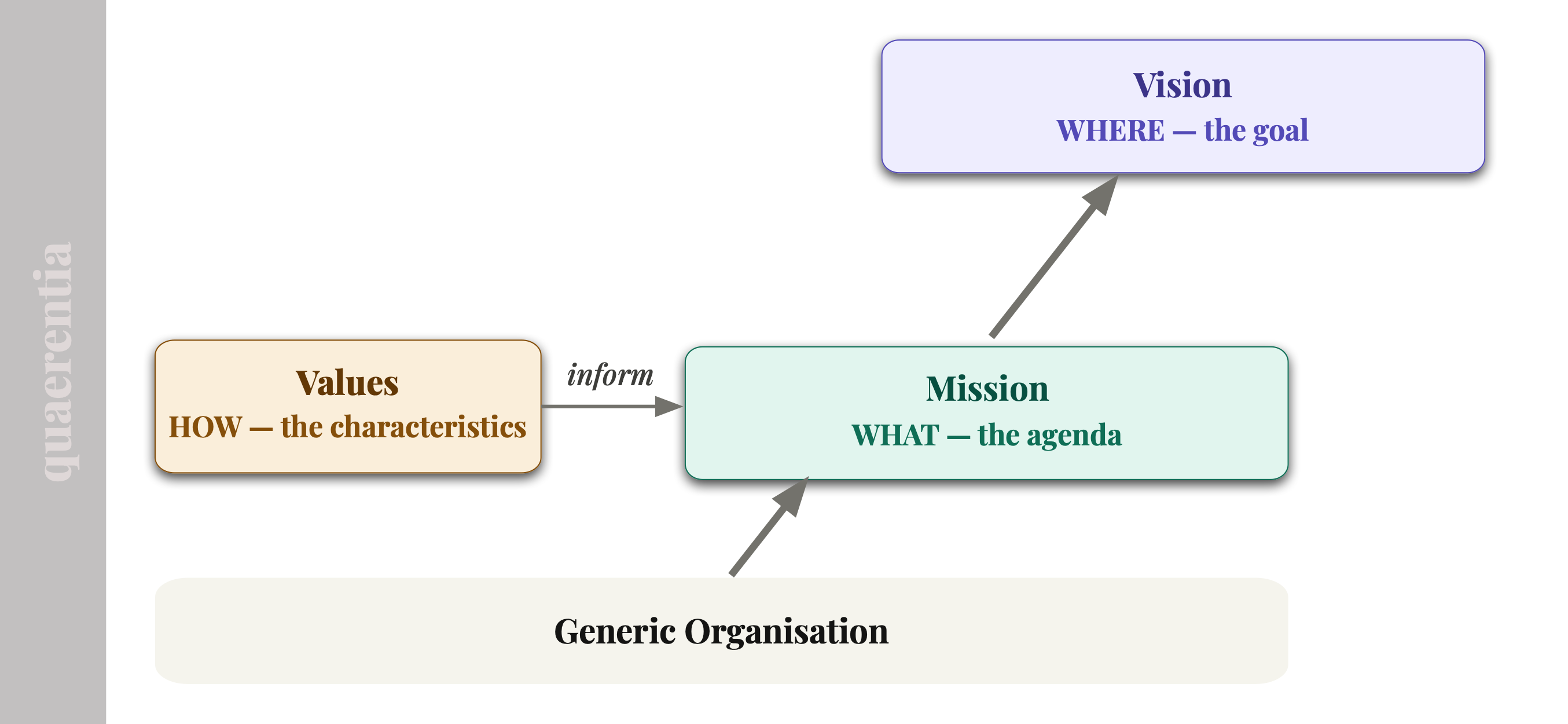
Before you can do that, however, you need a clear idea of the task itself. What will completion look like? What are the criteria for success? After all, no journey, however well-equipped, can be planned without establishing the destination. Only then can you use maps and other tools for identifying the best route. So this is why VISION STATEMENTS are crucial in the corporate world; and are now all the rage in churches. How else will you be clear on the WHERE you are heading?
Once you’ve got your VISION clear, then you need to get everybody onboard. Cast the vision and show how you’ll get there. Hence, your MISSION STATEMENT. This is what you’re going to commit to doing now. I suppose few in the secular world give much thought to the concept’s Christian origins, but it is a little ironic that churches are adopting it in its corporate frame. This is where the 1-year and 5-year plans come in. This outlines WHAT you’re going to do to get you to your desired end.
Finally, you might adopt a VALUES STATEMENT, because this will ideally shape the experience of serving this mission. An organisation aspires to be marked by certain characteristics, the HOW.
So far so good.
You then recruit leaders who will be ideal for having (or setting) such a firm grasp of the organisation’s VISION, that they can apply their creativity, charisma and dynamism to the MISSION. They need to inspire and encourage members to participate. This means it’s crucial to recruit:
-
someone who’s ambitious for the organisation.
-
someone who’s great up front, a gifted communicator (or even performer)
-
someone who’s organised, gets the big picture and can manage (& delegate to?) a team
You get the drift. It is all tried and tested. And it works. That is how corporations and NGOs operate the world over. But the church…?
… but aren’t they outweighed by its costs?
I wonder how the apostle Paul would have fared in this recruitment process. I think it’s clear he had kingdom ambitions and was driven in his determination to meet them. He wanted to reach Spain… and after that, the relatively recently subdued province of Britannia? Who knows? But by his own admission, he wasn’t great up front (or is that a bit of a bluff to provoke the Corinthians?!). And while he was someone who sacrificially invested in individuals who joined him on his mission trips, not everyone could handle it. Was he too demanding and tough? Is that why John Mark dropped out and Barnabas picked up the pieces? We’ll never know. But Paul was by no means a perfect leader (surprise, surprise!). And to top it all, he had the rather disconcerting habit of finding himself imprisoned, jeered at and even on occasion getting stoned (literally).
That’s all idle speculation. But what clearly isn’t is the trail on both sides of the Atlantic of carnage left by abusive leaders. They’re recruited because they can lead the charge into the fray; because they come over brilliantly on a stage or screen or both; they have learned how to manage organisations from the best of the gurus out there. And the grim reality is that a thoroughly theological Vision masks a shadow vision:
-
for seeking kingdom growth read vast numbers
-
for sharing kingdom resources read mega-sales, hits, and newly resourced territories
-
for training kingdom workers read clones who toe lines, maintain acquiescence, and serve the brand.
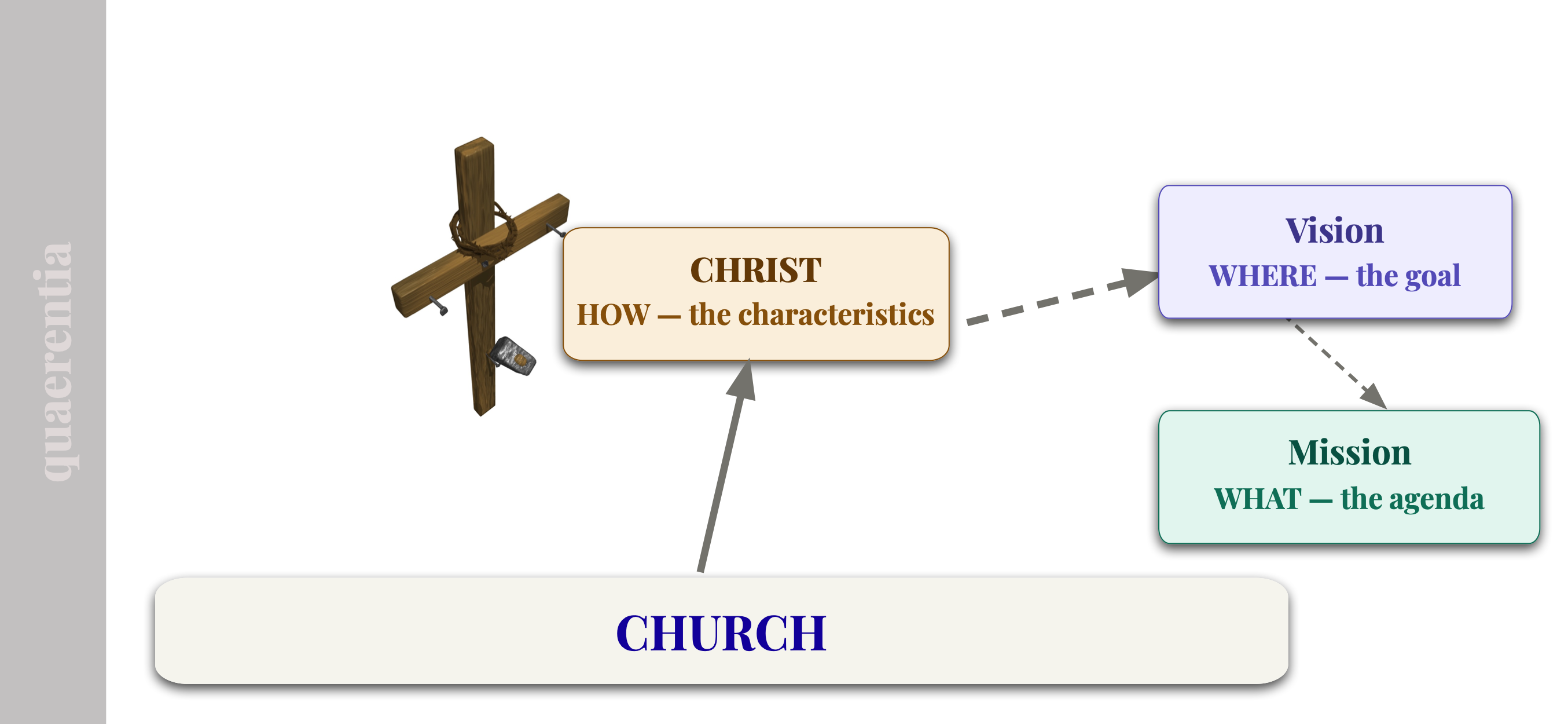
How has this happened? In short, we are too modernist. We’ve turned the church into a corporation. The vision—set by people—trumps every inconvenience and impediment. And the pragmatist will justify anything by it, including almost any means. To do this, the hallmarks that ought to identify a group or person as explicitly Christian are sidelined, if not ignored. Gifting is everything, and character irrelevant.
But in the NT, this is alien. Because the values of Christ come first and last. Become more like HIM, and you’ll find the vision and mission can more or less look after themselves. I’m exaggerating of course. But only just.
Unless we get this right, the costs are horrendous… and profoundly undermine our witness.
-
we will rank gifting over character in leaders every single time
-
we will be seduced by external success indicators over signs of genuine kingdom maturity every single time
-
we will presume to have the right to decide who gets to be ‘in’ and will feel entirely justified in pushing out those who don’t agree or obey or stay quiet.
-
we will have no room for the broken or weak or failing because they will be a distraction or impediment to fulfilling the vision.
-
we will presume to set the priorities as indicated by the vision (which we have forged), which will then enable us to ignore the needs or challenges right in front of our noses.