

 All of us slip into judging books by covers and people by appearances. It’s unfair and unhelpful, but it happens nevertheless, sometimes instinctively. So an encounter with Mats Steen, a Norwegian suffering from advanced Duchenne muscular dystrophy, would have left most people struggling to know where to begin in relating to him. How quickly we equate physical restriction or disability with mental. Yet that also is an unfair presumption. Mats retained all his mental faculties. Yet as he gradually lost control over his own body, it’s perhaps inevitable that he appeared to withdraw completely into himself. His parents were deeply concerned as he seemed to lose contact with everybody around. But through technological miracles, he was writing blogposts and became fully immersed into life online.
 But the disease would inevitably defeat him and he died at only 25. It was only then that his grieving parents discovered that he was part of a huge global community of people who communicated with and cared for one another through the game. Mats played the character Ibelin Redmoore in the guild Starlight.
 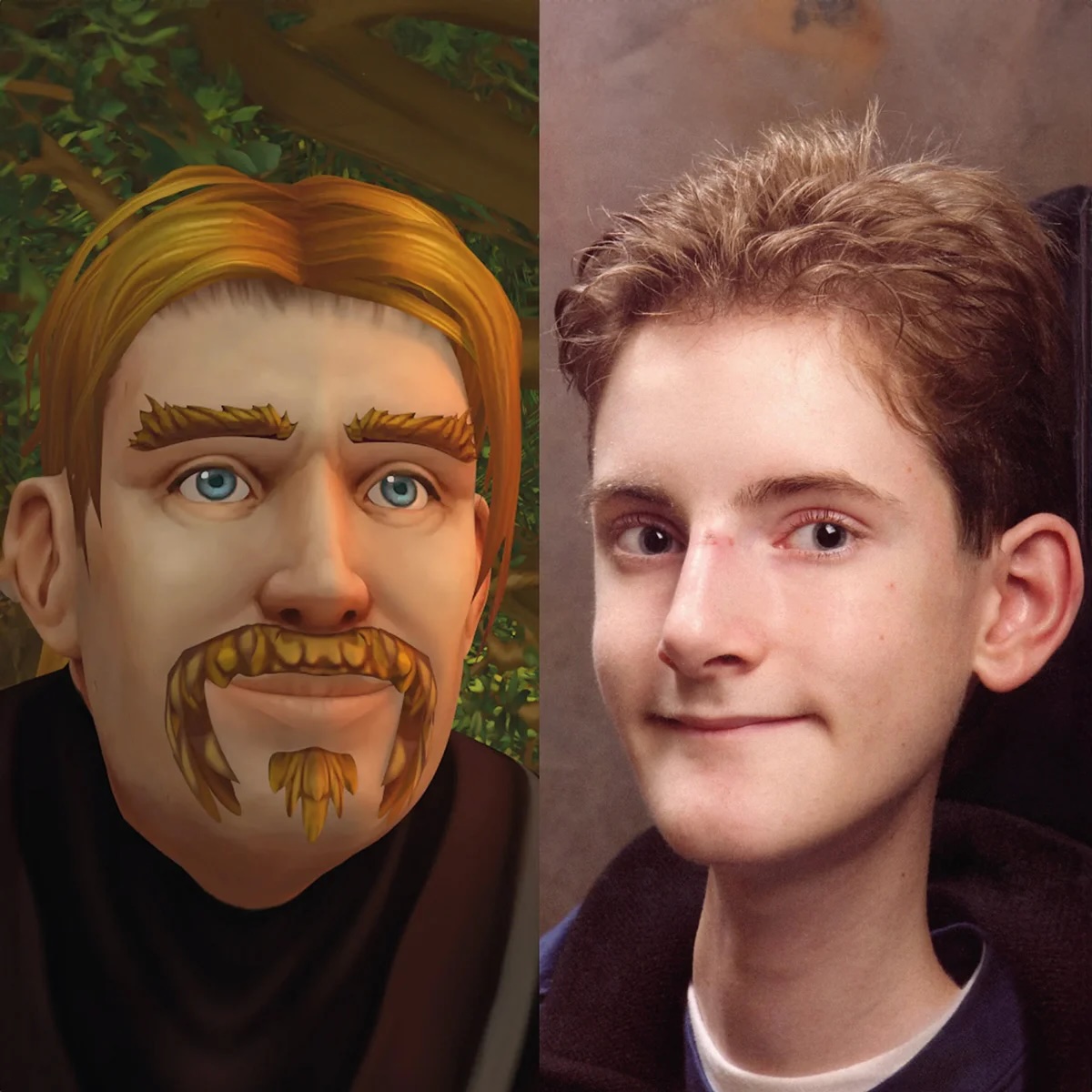 Nobody knew anything about his real life circumstances; he kept them completely secret. But he was someone countless people trusted and grew to love, someone who could lend a shoulder or timely advice or just a listening ear. All online.
The Remarkable Life of Ibelin (on Netflix) is unique, an extraordinary Norwegian documentary telling his story – and because so much of Mats’ life was in the game, it can be recreated very easily from his digital footprint.
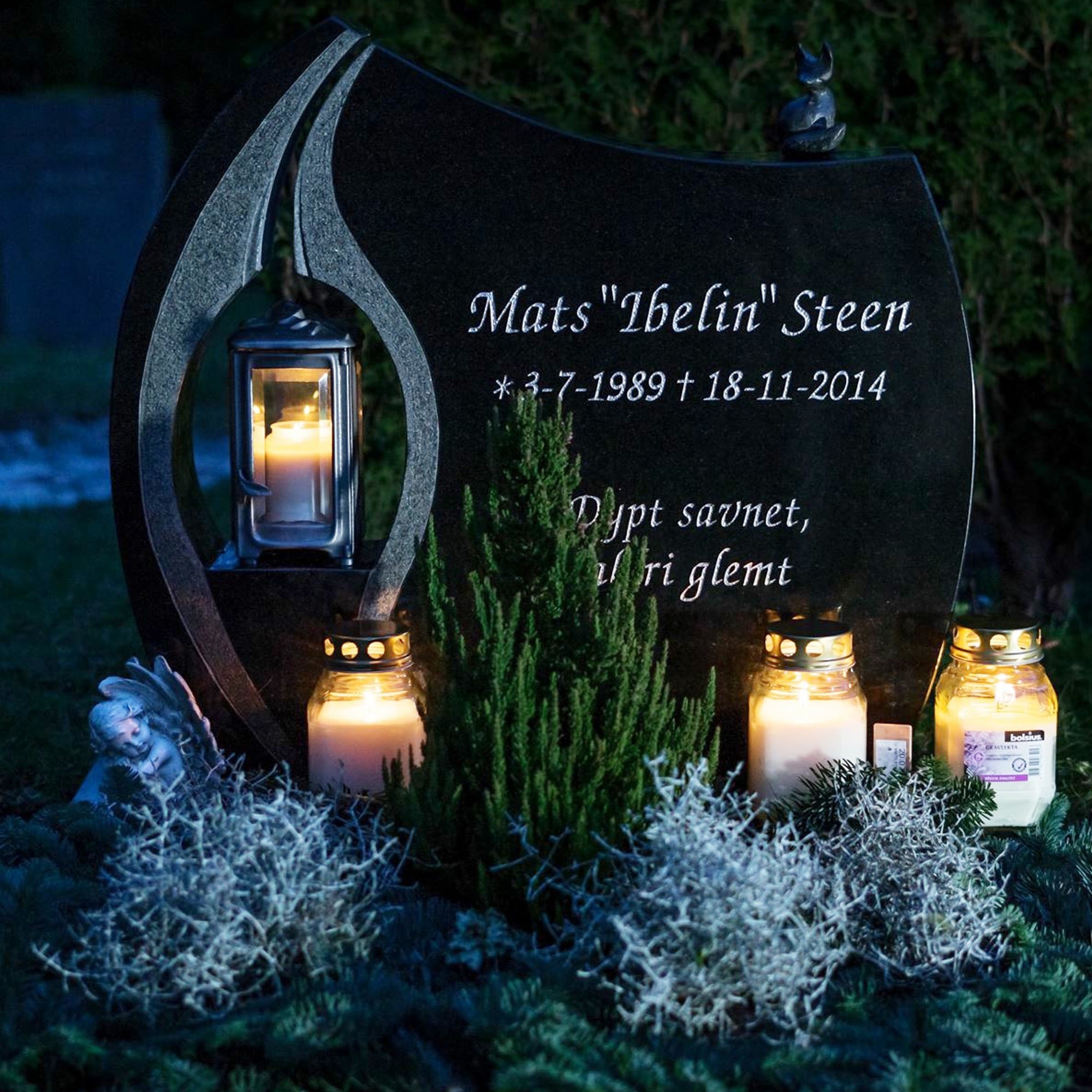 Several WoW friends came to his funeral – and he was clearly somebody who, for all his troubles and agonies, was a genuine source of kindness and care for so many people around the world. This is therefore a documentary to win over cyber-sceptics; it is hard to contend that this community was fake, superficial or a distraction. For some, it was the only forum in which they could express something of their full humanity.
So we all found this a really moving and profound watch and recommend it wholeheartedly.
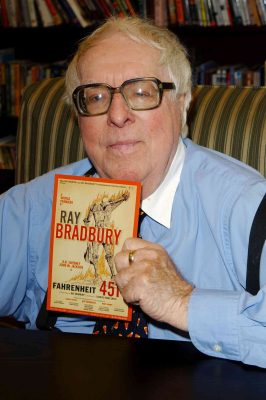
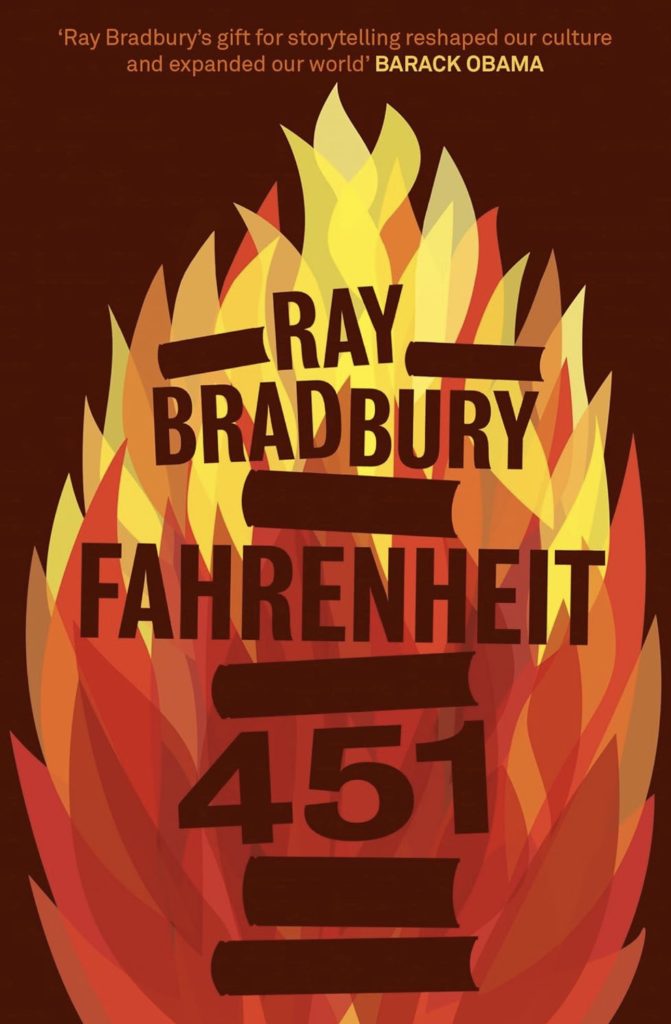
Ray Bradbury (1920-2012) was a prolific writer of novels and short stories, especially in science fiction. Fahrenheit 451 dystopian novel went through various iterations before being published in 1953.
Elements appeared in short stories and then a friend
urged him to develop his 1951 novella The Fireman into something fuller.
A clear inspiration was the book burnings that started almost as soon as the Nazis got into power in 1933. As a lifelong reader Bradbury was horrified by the sense that the same might be happening in the USA as the House Unamerican Activities Committee got into its stride (not least because of Sen. McCarthy).
The key idea is that the state controls thought by banning all books and making TV watching compulsory. Fire brigades exist to burn rather than extinguish. Guy Montag is a fireman who begins to have qualms. A brilliant and compelling read that, far from feeling dated, has become more relevant than ever.
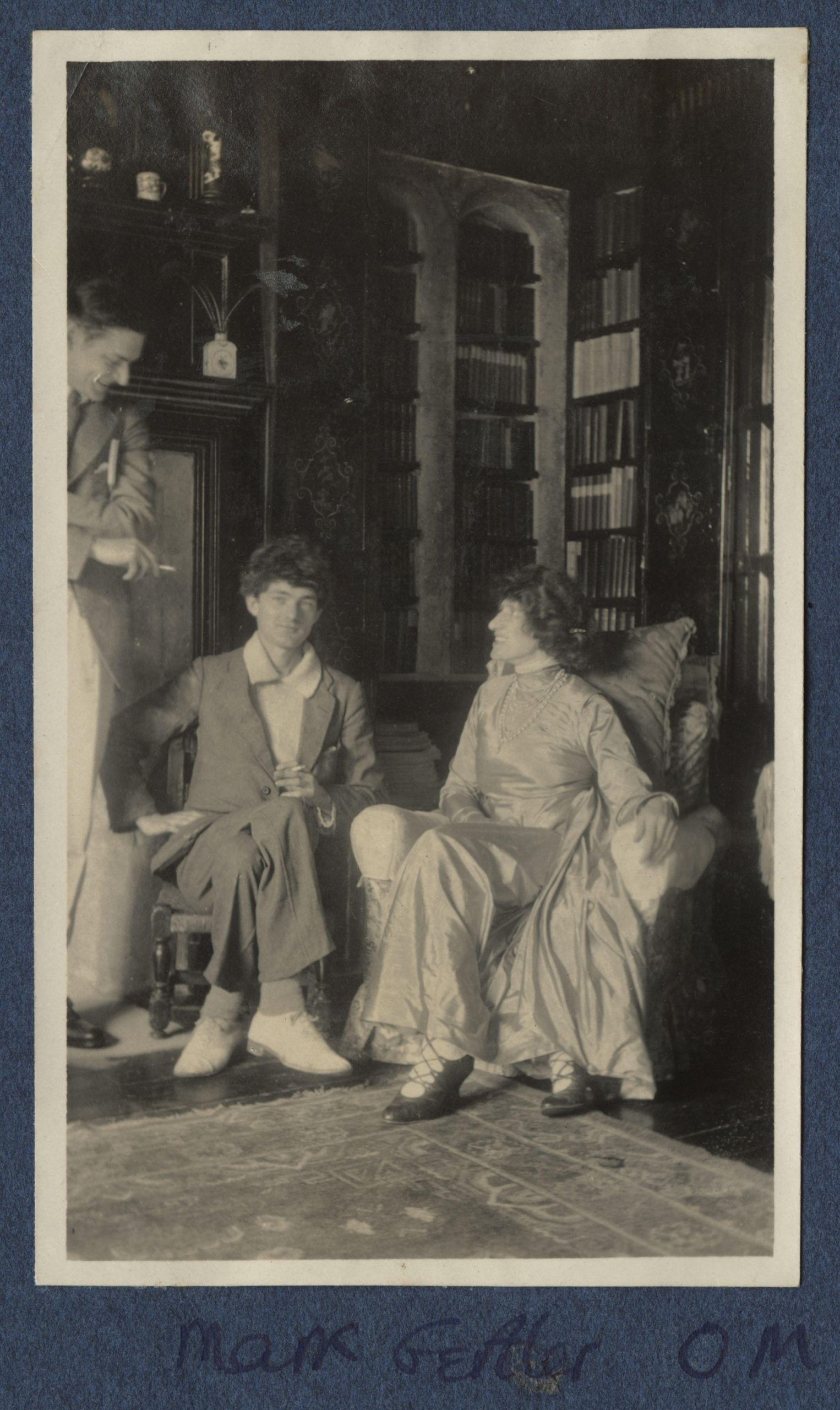
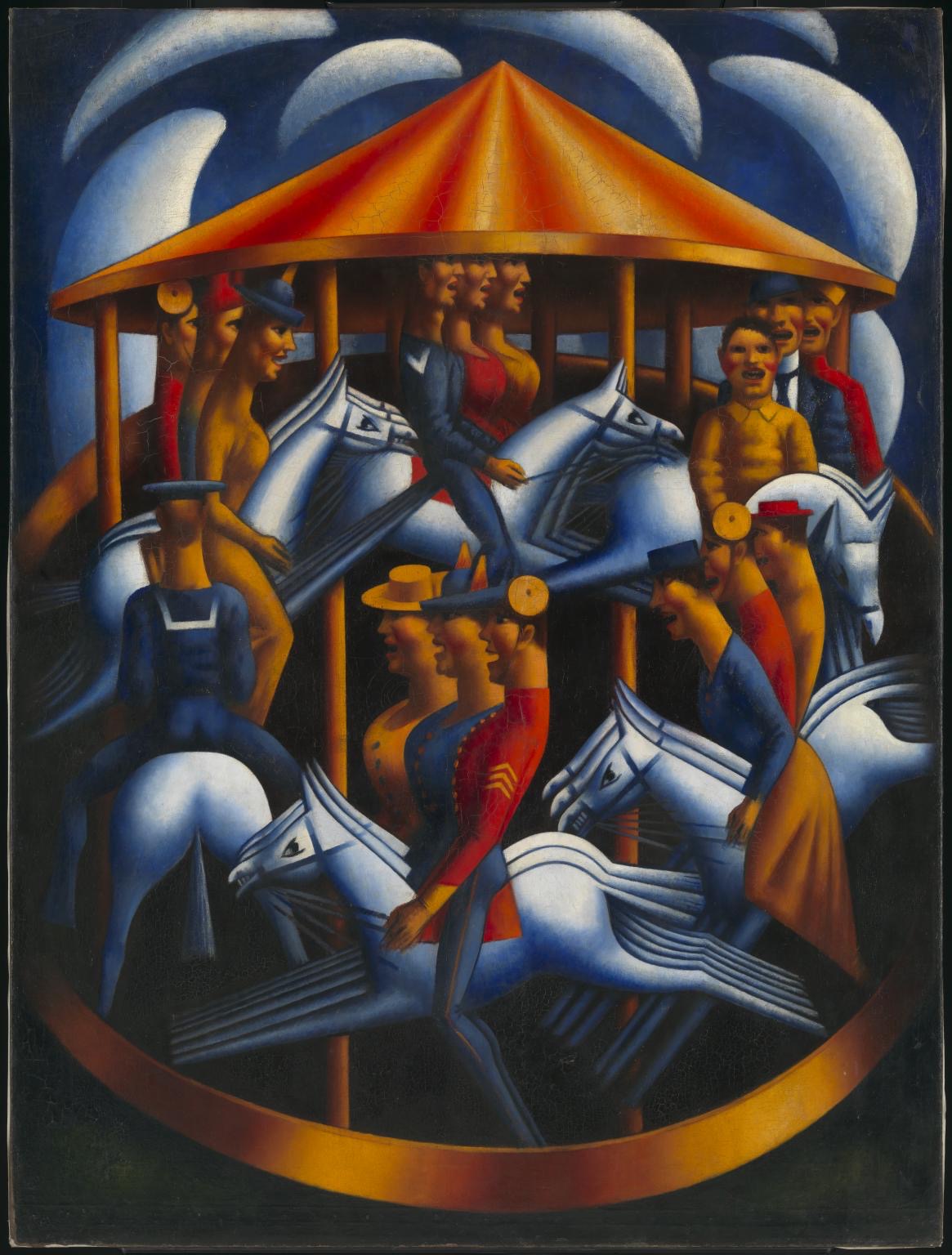
As a conscientious objector in the First World War, he came into conflict with many, including a significant patron. And this outlook is on vivid display in this painting from the middle of the war, simple called Merry-go-round. It is perhaps the painting for which he is best known and it packs a punch.
Few images convey the sense of futility and entrapment that people felt in the middle of that infernal war. Their uniforms (male and female) suggest a society conformed to military discipline, their facial expressions show the chill of enforced ‘fun’. There is no escape. It is no accident that I found myself thinking about this picture when writing about Sam Mendes’ 1917 a while back.
- If you want to read more about it, do check out David Haycock’s superb A Crisis of Brilliance about Gertler and his painter contemporaries. It is one of my favourite books of art history.
- Sophie mentioned Jan Svankmeyer’s FAUST which you can find here.
- Joel mentioned the Smile movies, here.
Podcast: Play in new window | Download