Believe it or not, I’ve been given a hard time for producing my annual top reading too late (you know who you are). So I’ve been stung into action as a preemptive strike.
A brief rundown of my favourite books from 2025: essentially those I awarded 5* on my Goodreads page with one or two 4* too. In no particular order…
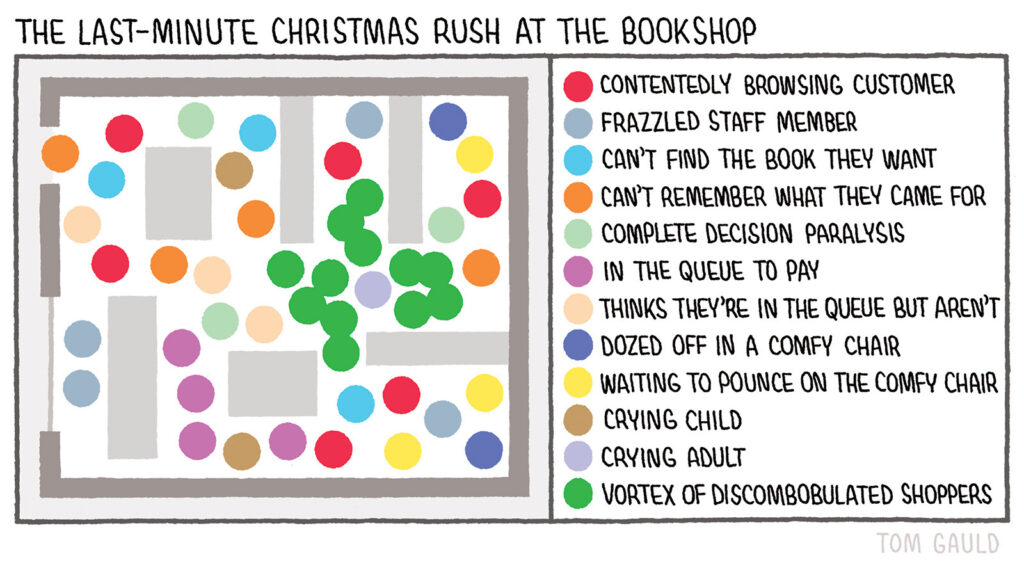
[For good measure, here’s one of the myriad book-related cartoons from the great Tom Gauld]
Fiction
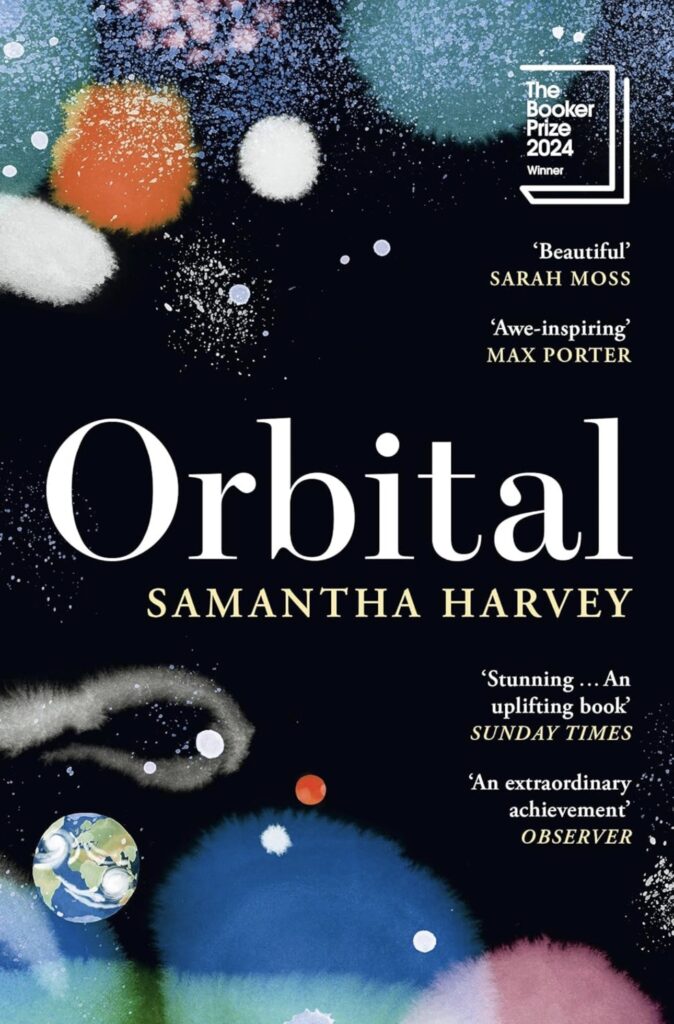
Samantha Harvey’s 2024 Booker winner Orbital is my novel of the year. I just loved it. It follows a crew of astronauts on the International Space Station during 16 orbits of the Earth… in other words, a 24-hour period.
Beautiful prose: evocative, poignant, even melancholy, but always inspiring. Like the best writing, we are see the familiar again, for all its wonder and strangeness.
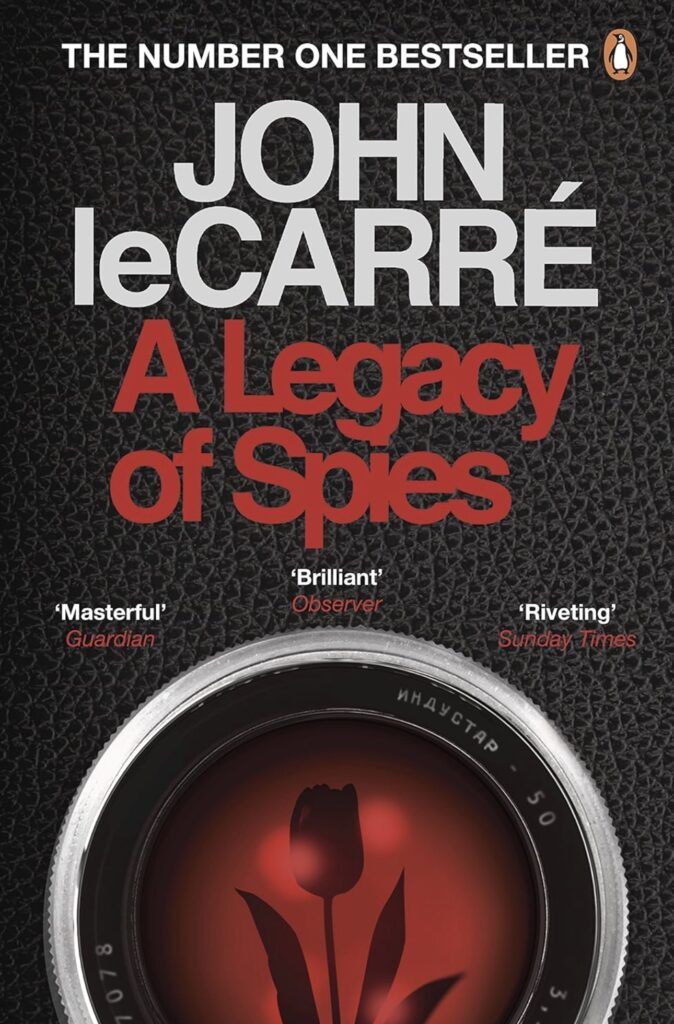
A Legacy Of Spies was the first of several re-reads this year, each time to prep for a podcast. le Carré is one of my top 5 writers and this was his swansong, returning to the backstory of his breakout novel The Spy Who Came in from the Cold, half a century later! That is an astonishing feat. And it pretty much holds up. Vintage and breathtaking.
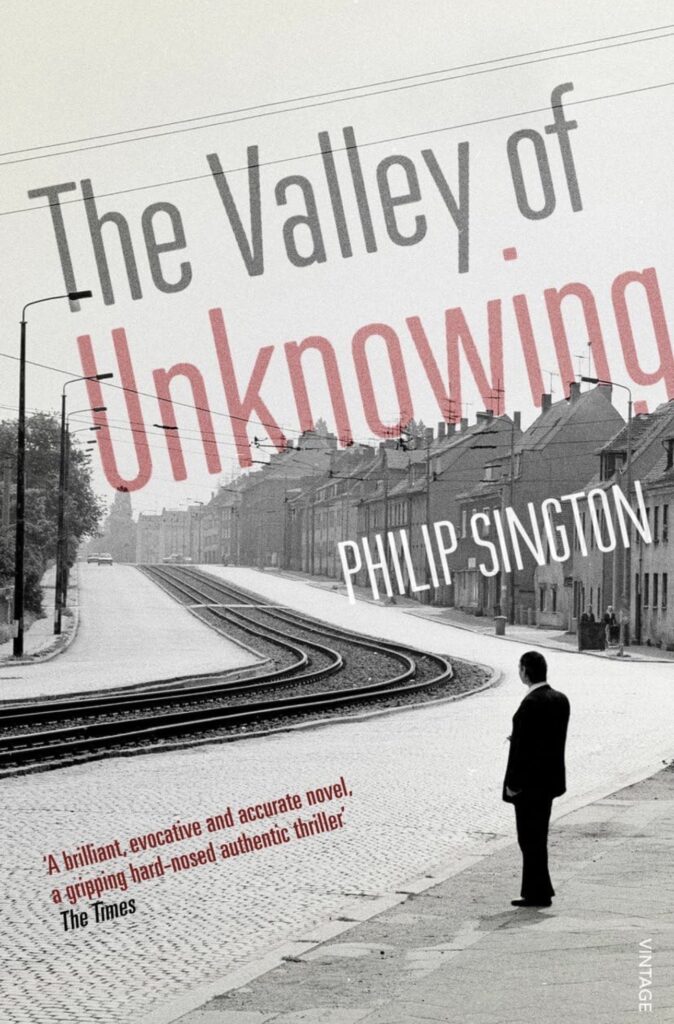
It’s been 8+ years now, but I’m still at it somehow: writing a novel set in East Germany, that is. So I’m always up for books about or by East Germans. Philip Sington’s wife Uta is German and this 2012 Valley of Unknowing is both evocative and gripping.
A one-hit wonder writer is beguiled by a female music student from the west, kickstarting a sequence of deceptions that inevitably escalates. How do we ever know what is true or real?
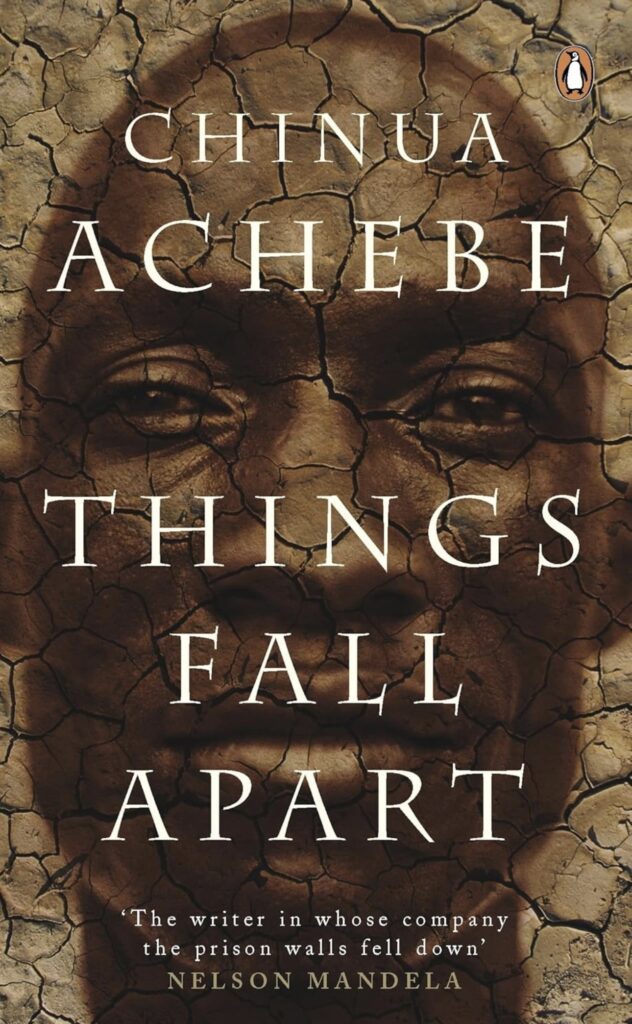
My 2nd re-read: I first read Achebe’s classic Things Fall Apartwhen we moved to Uganda in 2001. An important novel, it heralded a wave of great post-colonial fiction.
In British Nigeria, Okonkwo is an impressive, proud, principled leader of his people. But nothing is the same once missionaries arrive. Achebe is far too good to pitch it as good (old) v evil (new). A provocative and long-lingering book. Discussed on Triptych 5.
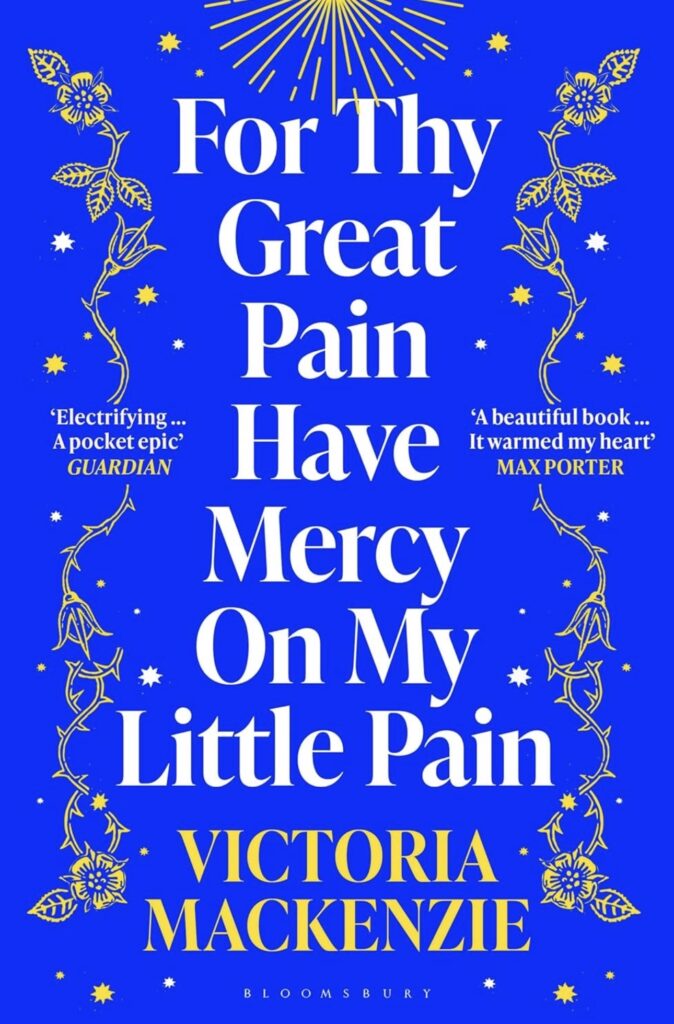
For Thy Great Pain… was unexpectedly powerful, an imagining of the mediaeval meeting of Julian of Norwich and Margery Kempe, two extraordinary women of God.
Victoria Mackenzie writes with deftness and economy, immersing the reader in the lives (and indeed plight) of women in the Middle Ages. It offers remarkable authenticity, so much so that I had to keep reminding myself it was fiction!
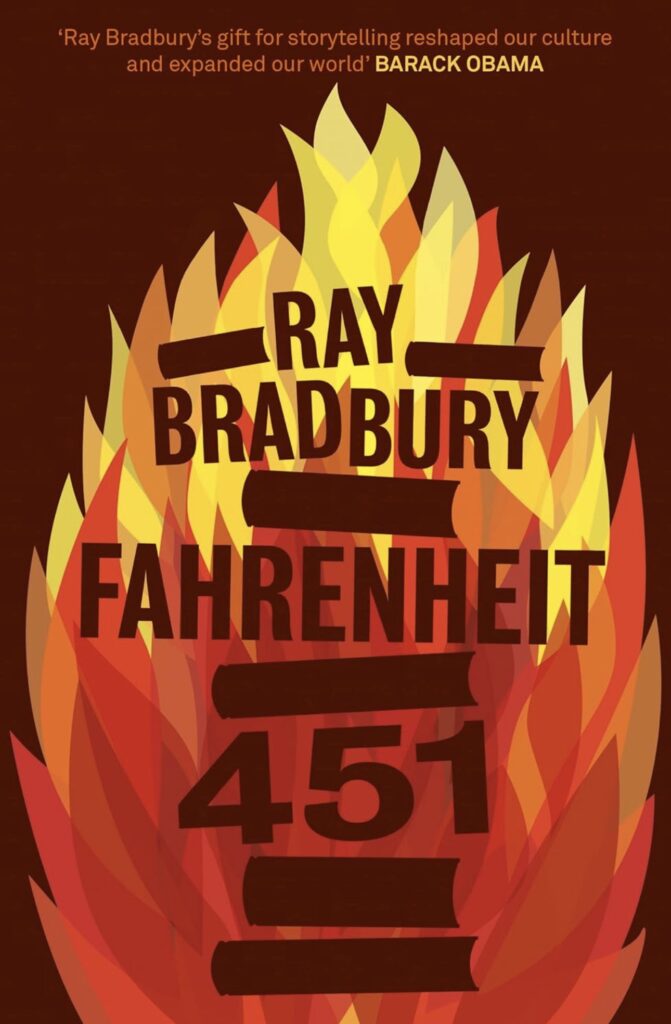
The 3rd re-read, this for the new series of Triptych (to be recorded). I read this in my uni dystopian phase! I spent months in 1984 & Animal Farm, Brave New World, We, and Kafka’s Trial etc.
Fahrenheit 451 felt more uncomfortably contemporary than ever. Guy Montag is a fireman whose task is to burn books in a system that does everything it can to stamp out independent thought… no books, no papers, just walls of screen. Nothing relevant there then.
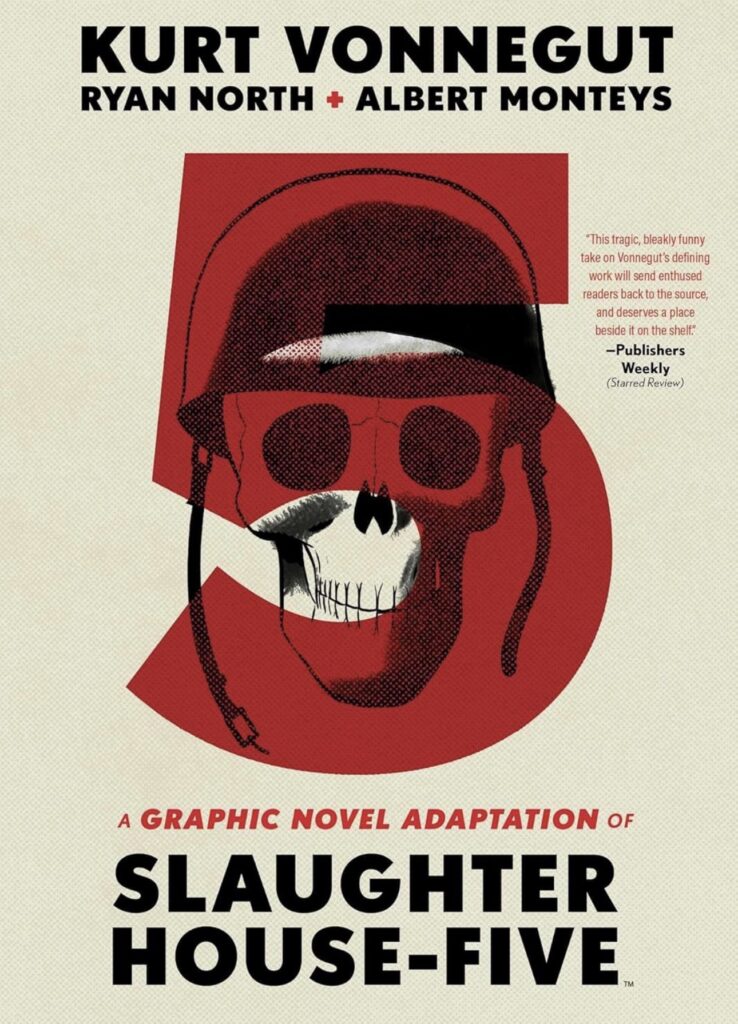
I’ve not read Vonnegut nor many graphic novels, took a punt on this in a sale. It’s extraordinary. Prompted by his own experience as a German-held POW in Dresden when the Allies razed it to the ground, this became one of the great anti-war novels. I can’t judge its faithfulness but I can’t believe it roams too far from the original.
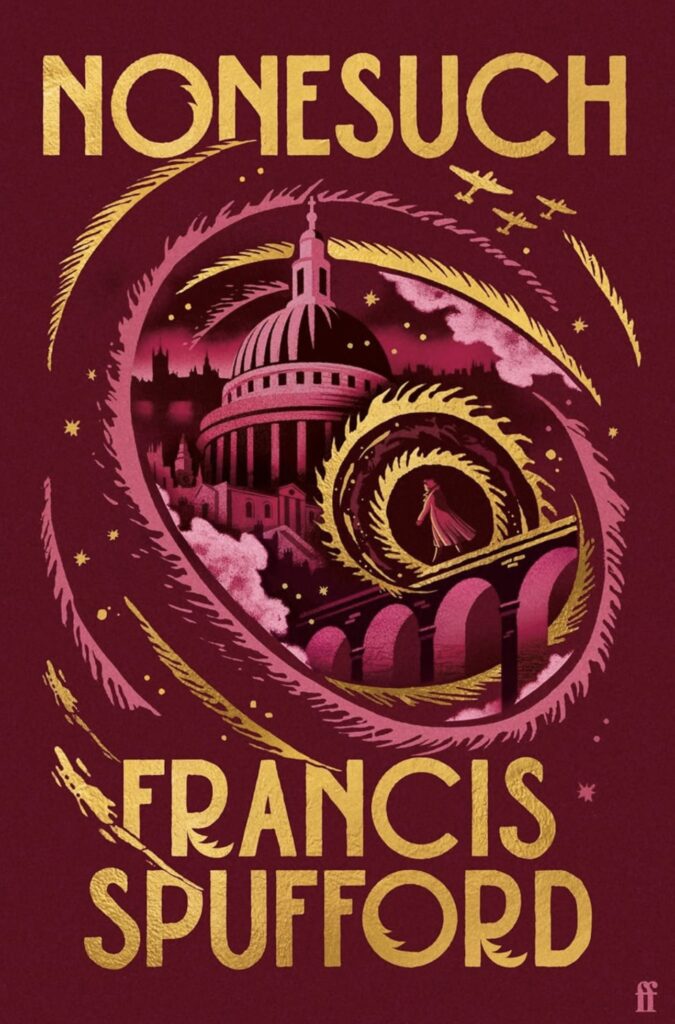
This is cheating slightly. But I’m a huge fan of Spufford’s writing and I got the chance for a sneak preview of this (coming out Feb 2026). It’s the first of a new series. Set in the London Blitz, it is characteristically genre-busting, clever, funny, brilliant and gripping. Historical fiction-cum-FightingFascism-cum-time-travel-cum-Good-vs-Evil.
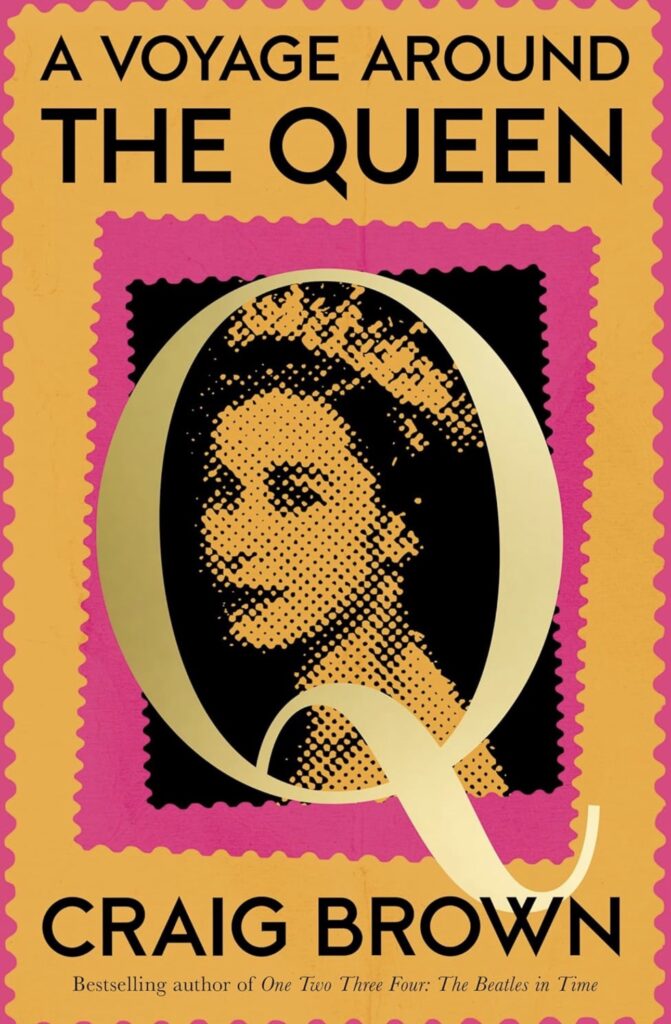
Craig Brown is one of the funniest writers around. His fortnightly Private Eye outing of satirising a different person’s writing has been one of my go-to’s for years.
A Voyage Around the Queen was heralded as a complete reinvention of biography. And it’s obvious why: a crazy mosaic of events, anecdotes, memories and impressions. One of the funniest chapters was the simplest: he quotes without comment those who described QEII as ‘radiant’. Genius.
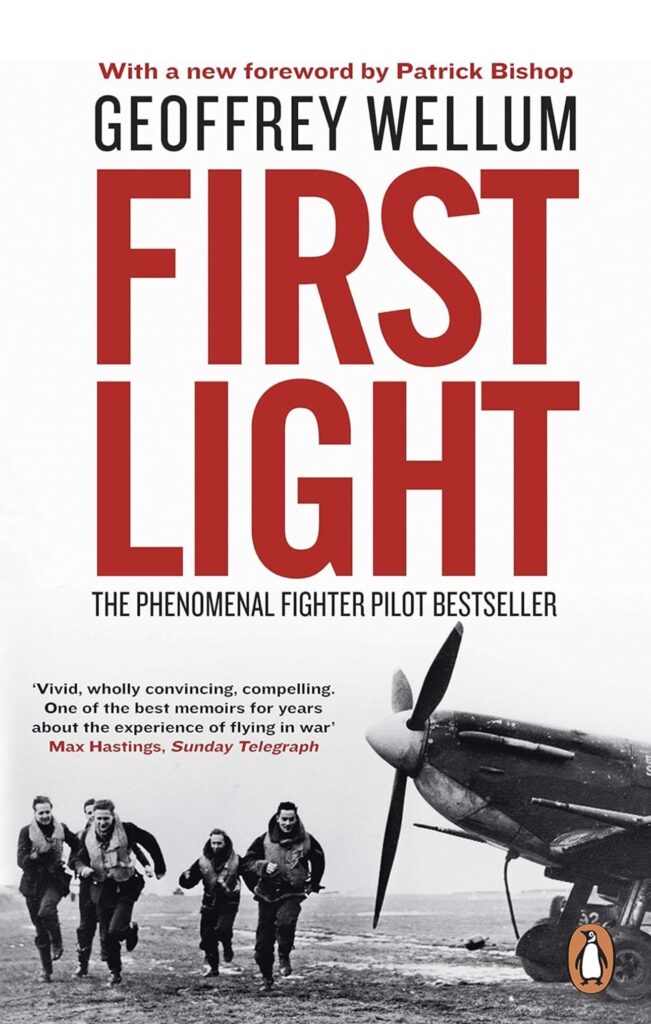
Geoffrey Wellum was only just 18 as he went through basic training for the RAF in 1939/40. He would have the most extraordinary part to play flying Spitfires in the Battle of Britain and subsequent operations. But he didn’t write it all up until the 80s, for his own benefit more than anything else.
It was only through James Holland (brother of podcaster Tom) that Penguin published First Light in 2002 and it became an instant classic. It’s a thrilling and visceral ride.
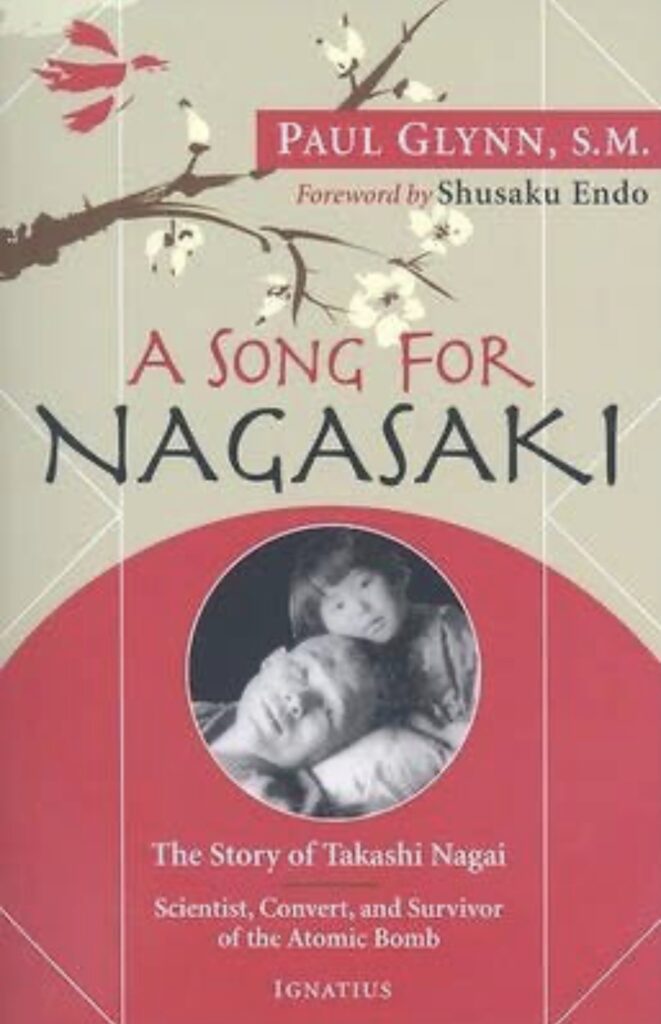
Takashi Nagai was a gifted medic steeped in Japanese heritage and history. A quest for meaning led him to Pascal’s Pensées. Lodging as a student with a Catholic family in Nagasaki, led him to become a Christian and marry their daughter. Decorated for courage as a Manchuria battlefield surgeon, he became a national hero by applying his pioneering radiology research after the atomic bomb, despite dying from its after-effects. Song for Nagasaki is a remarkable story of a remarkable life.
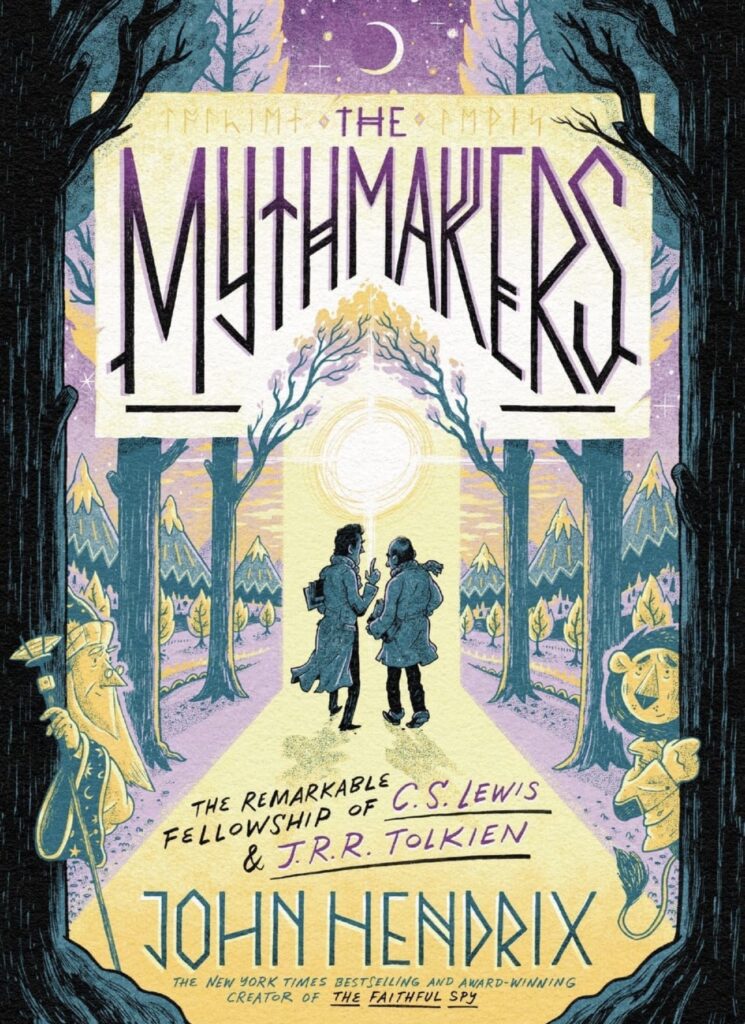
Another graphic book (full disclosure: John Hendrix is a friend), this time about the friendship of C S Lewis and Tolkien. This is a brilliant, not to mention visually rich, retelling of the key things that brought these two great writers together as well as caused tensions.
For no obvious reason, I hadn’t quite expected to love The Mythmakers quite as much as I did! But it’s great! And is a justly celebrated book.
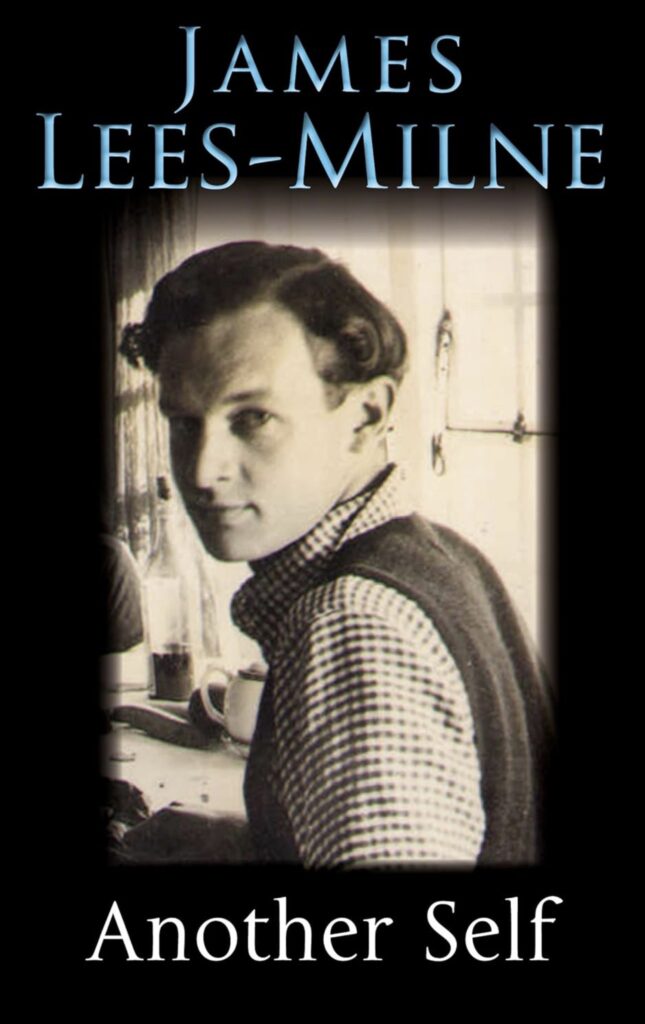
An autobiography this time; Another Self has several laugh-out-loud sequences. James Lees-Milne is less well known now sadly – but he was was an architectural historian who was instrumental in so many of England’s Great Houses ending up in the National Trust. His upbringing was outwardly conventional (for England’s upper echelons) but truly bizarre to say the least. This gave him uniquely wry, and occasionally hilarious, perspectives on life.
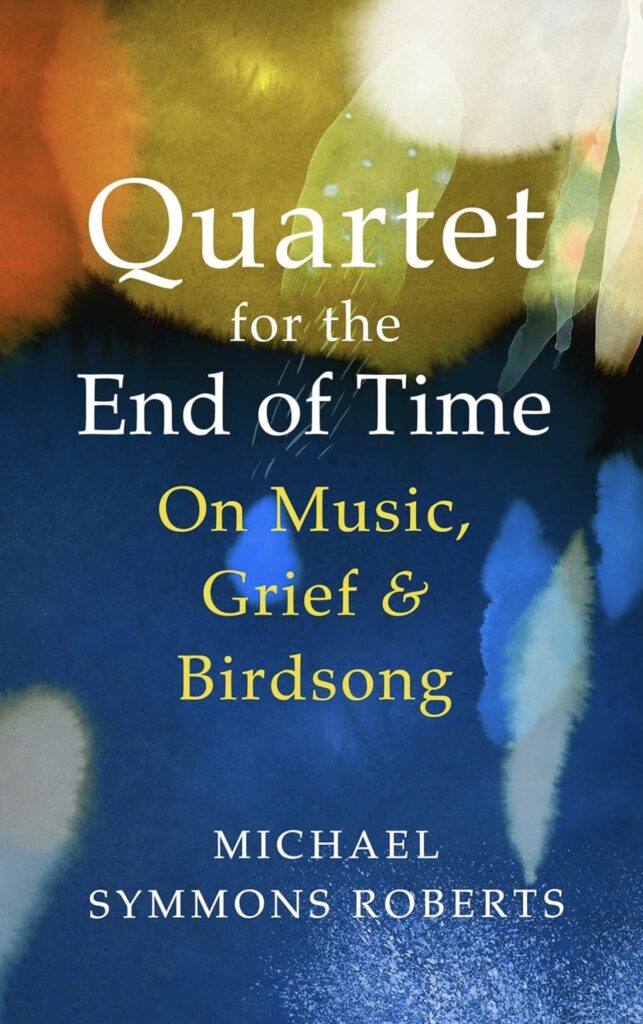
Messiaen’s composition Quartet for the End of Time was completed in Stalag-VIIIA, a POW camp in what is now Poland (a bit of a theme developing this year?) and caused a sensation.
Despite knowing little about classical music, the poet Michael Symmons Roberts has been transfixed by the piece since he was a student. This memoirabout the piece is about so much though; ‘on music, grief and birdsong’ is just the start. A beautiful, haunting even, reflection on the power of music and art.
Arts & Culture
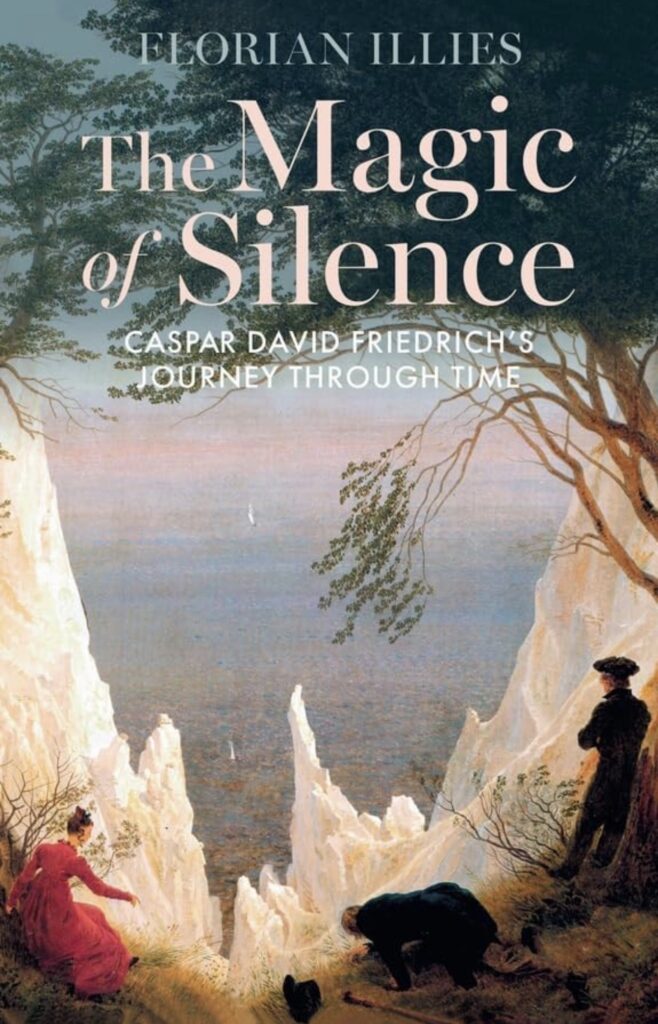
I knew little about Caspar David Friedrich, apart from a handful of pictures, and the sense that he represented Christianity’s retreating waves on Dover Beach . It’s far more complex, and therefore interesting, than that.
The Magic of Silenceoffers deep understanding of the painter’s life and rich insights of the paintings. He was not the herald of Beckettian despair he is often held to be.
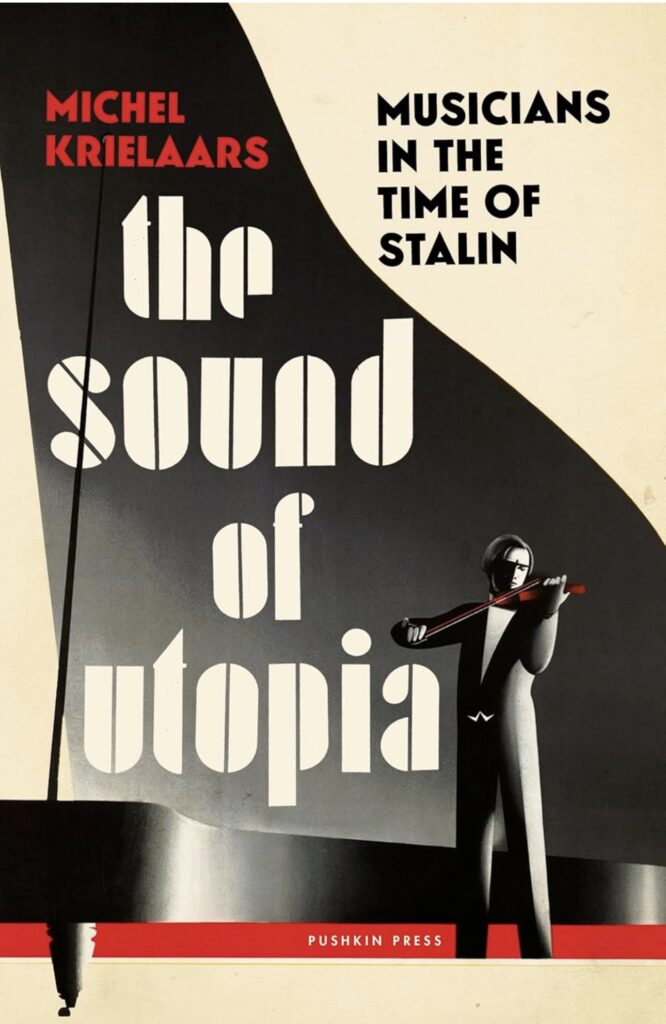
Stalin was a voracious reader and love of the arts. Surprised? Well, he was a complicated man. But in the years of his strangling grip on the USSR, even though nobody was immune from his purges or policies, musicians were especially vulnerable.
The Sound of Utopia returns various people centre-stage who have since been forgotten (or eclipsed by Shostakovich, say). A bit niche, perhaps, but I couldn’t put it down!
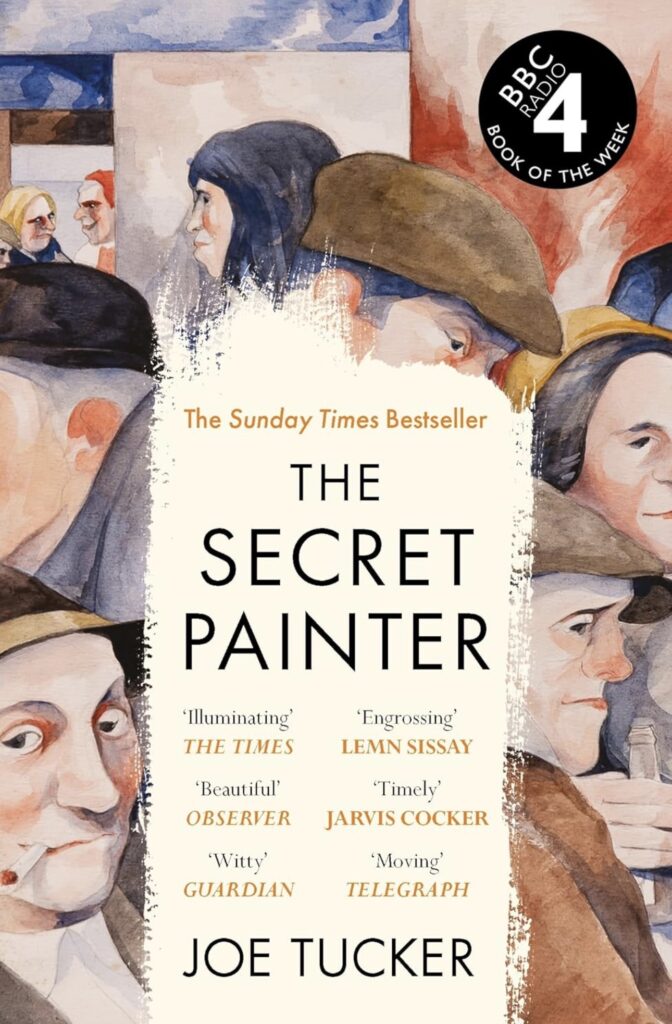
Joe Tucker’s uncle Eric worked in a Warrington scrap yard most of his working life and lived with his mother for c80 years. He had few friends outside the immediate circle of his pub and bookie friends; his life seemed typical of a certain northern working culture.
What was unknown was how seriously he took art. The Secret Painter is a beautiful account of getting to know the man he thought he knew, through the 500 or so paintings
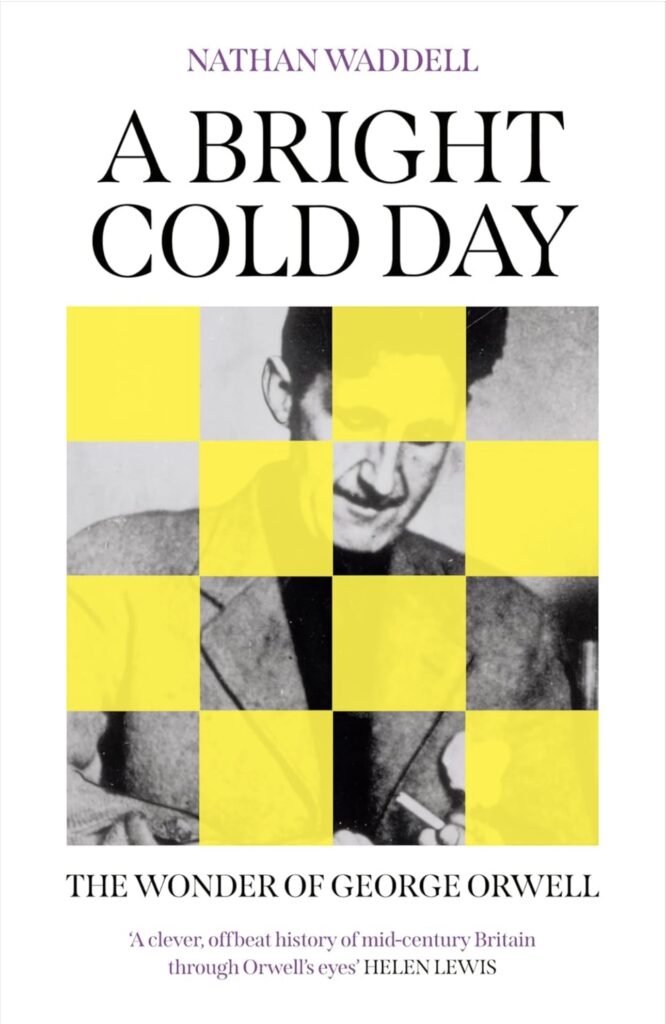
A little like Craig Brown’s bio of the Queen, this is another genre-busting book. A Bright Cold Day trawls through Orwell’s prodigious written legacy for clues and observations of daily life. Waddell then pieces the fragments together to give an impression of how Orwell lived each day.
That doesn’t sound especially promising perhaps but I found this both a gripping and convincing take on one of the great 20th century masters of English prose.
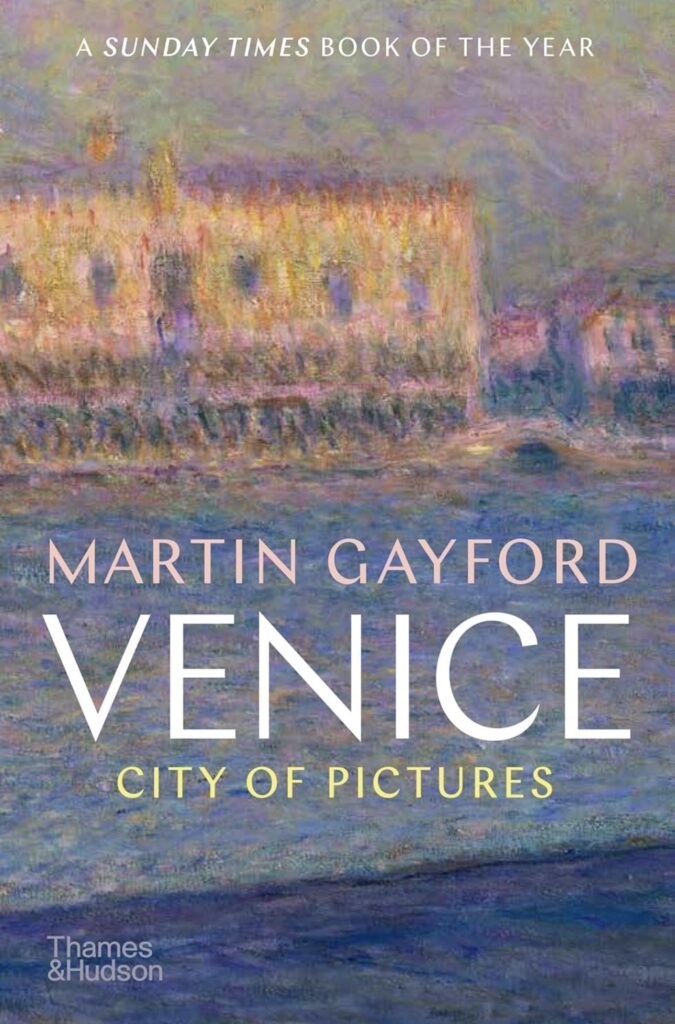
Martin Gayford is my favourite writer about Art and Venice is one of my favourite places on earth (though I’ve only had 2 very fleeting visits). So this combo was always going to be a winner for me. Venice: a city of pictures is historically rich and visually stunning. Gayford is the master of the telling anecdote or the minute detail that reveals as much as the whole. So this was one of my most enjoyable reads of the year by far.
Current Affairs/History
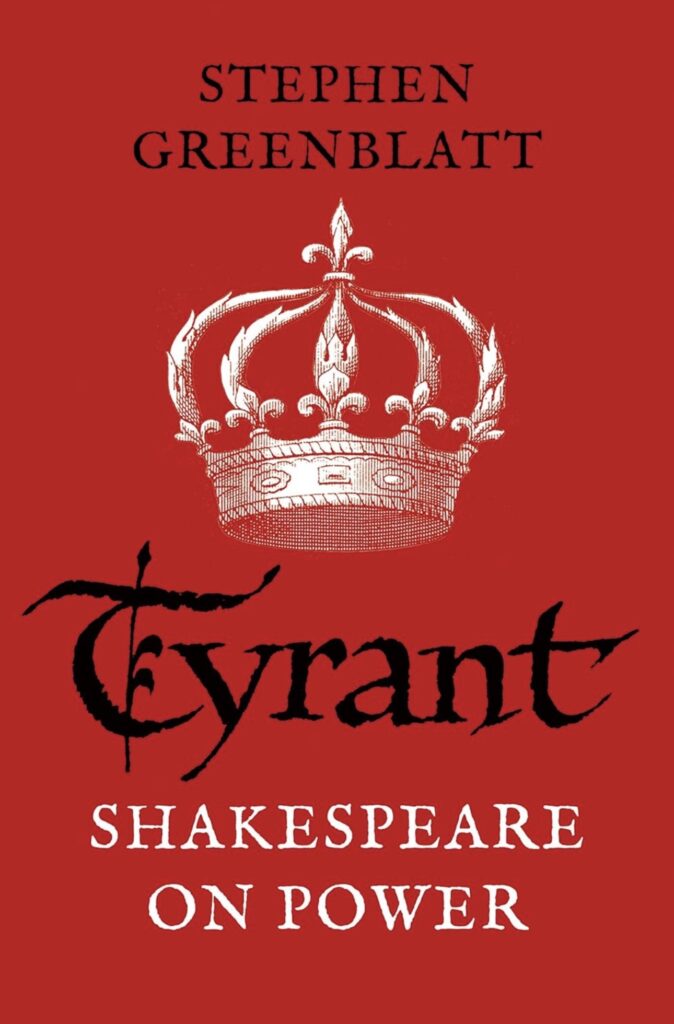
Timely, perhaps–and certainly a cross-over from the previous section–but Greenblatt is a Shakespearean scholar of great renown. Tyrant is a concise distillation of the Bard’s political, psychological and historical insights into those who wield power over others.
It doesn’t seem to matter what lens one uses, Shakespeare always takes your breath away. But the applications to the present couldn’t be clearer, which is why Greenblatt hardly needs to point them out. Brilliant if rather chilling.
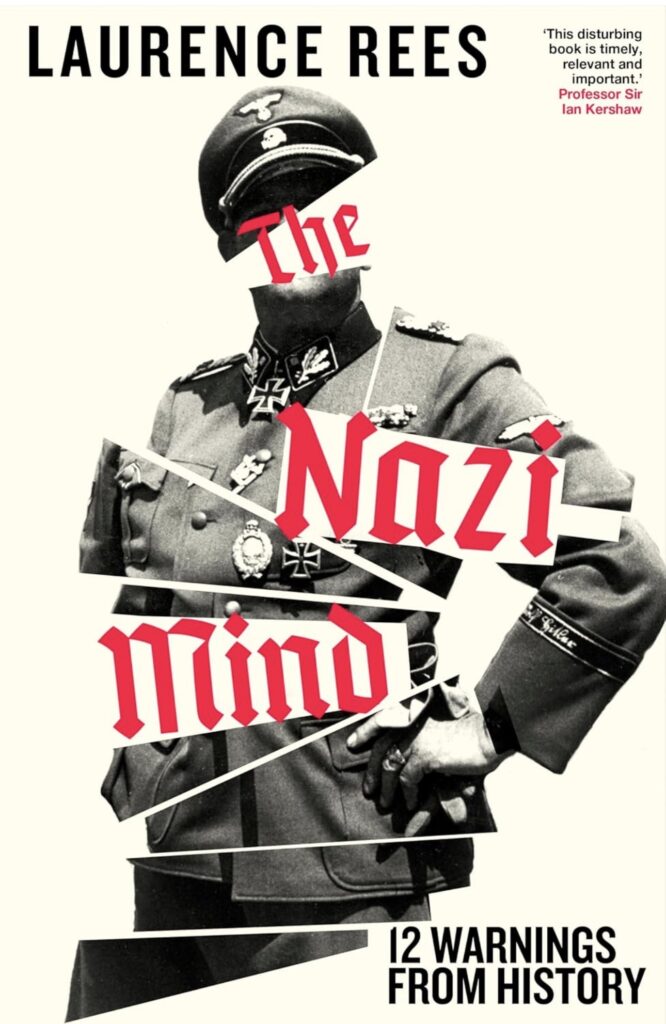
Speaking of tyrants, Laurence Rees has spent many years writing about the legacy of Nazism. So The Nazi Mind bears the fruit of all that study, analysis and writing. Subtitled, 12 Warnings from History, he is more explicit than Greenblatt but his aim is slightly different.
Drawing on previously unseen diaries, psychological analysis and memoirs, he is determined to understand how it was possible; and how to prevent it recurring. Vital stuff, but also, very scary…
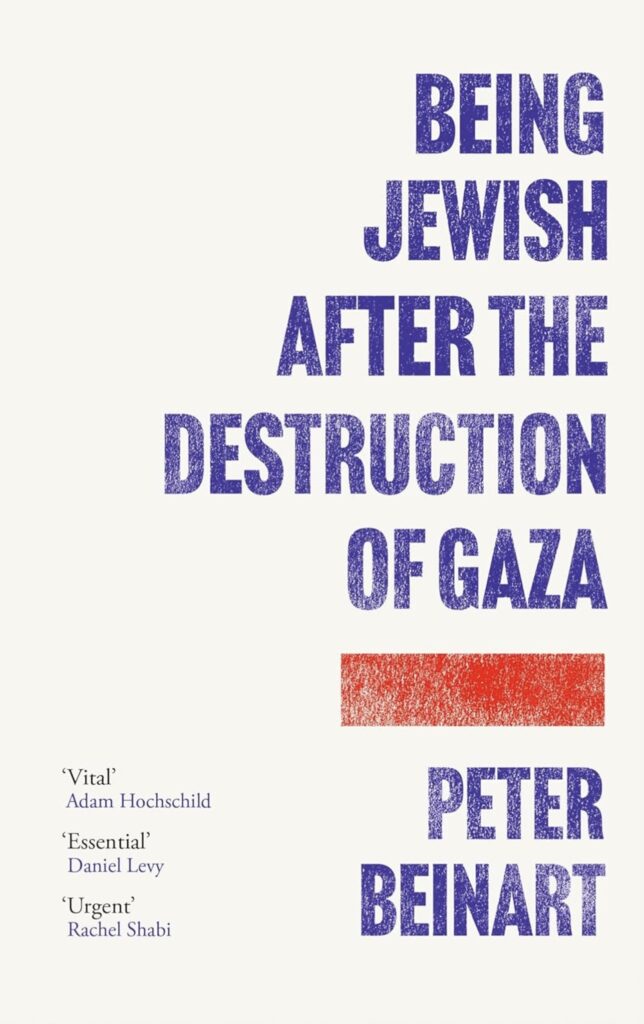
The title says it all: Being Jewish after the Destruction of Gaza. If Ukraine is one of today’s most pressing geopolitical problems, Gaza is the other. Because of its context, it presents some of the toughest challenges there are. But few can sit idly by the horrors inflicted on this minute strip of land, while simultaneously many are rightly alarmed by the accompanying rise of anti-semitism. Beinart’s is a courageous attempt to find a way through to an alternative future.
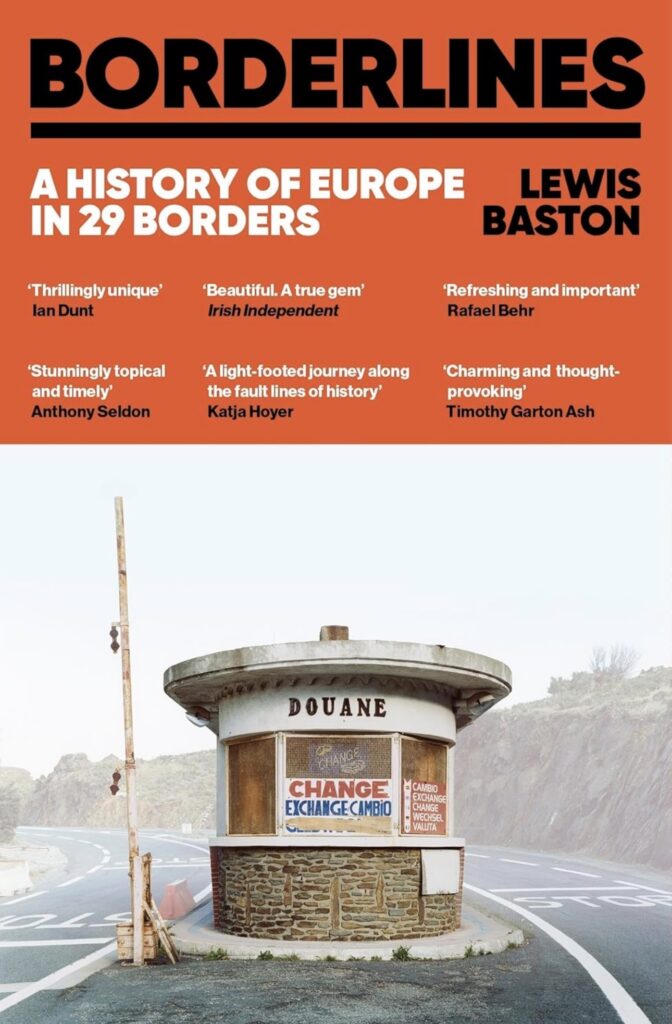
Less contentious now than the Gaza book, though many of the frontiers considered by Lewis Baston in Borderlines provoked great bloodshed in the past. This is such an innovative and intriguing approach to European history, proving how knotty the continent’s problems have always been. Whether it’s the Northern Irish border, the Ukrainian front line today, or some of the craziness in the Belgium/ Netherlands border, this is fascinating, weighty, and even, on occasion, funny.
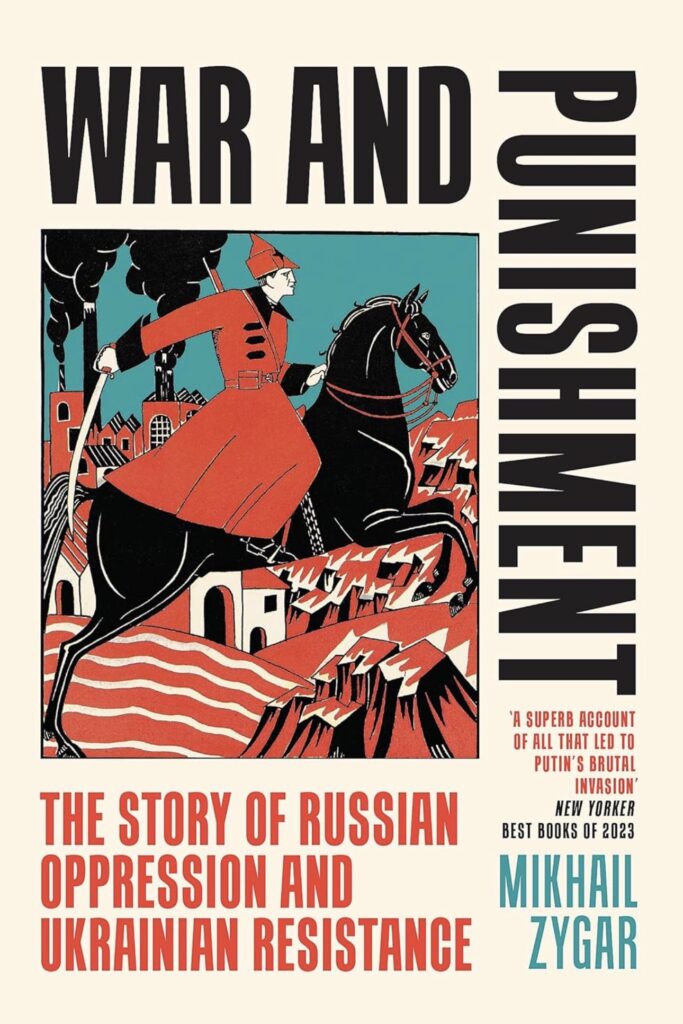
When I’ve mentioned War and Punishment to Ukrainian friends, their scepticism is reasonable since Mikhail Zygar is a Russian journalist. However, from my outsider’s perspective, it seems that he has worked incredibly hard to get beyond the tropes of Russian propaganda and historical revisionism. He systematically presents the last millennium’s key moments, showing how events actually differed from the mythology. I learned a huge amount. This needs to be placed in as many hands as possible.
‘m usually pretty rude about maths, science and scientists. But that’s largely because I fear (and sneakingly respect) them. So I love delving into scientific history because it is invariably as human a story as any other.
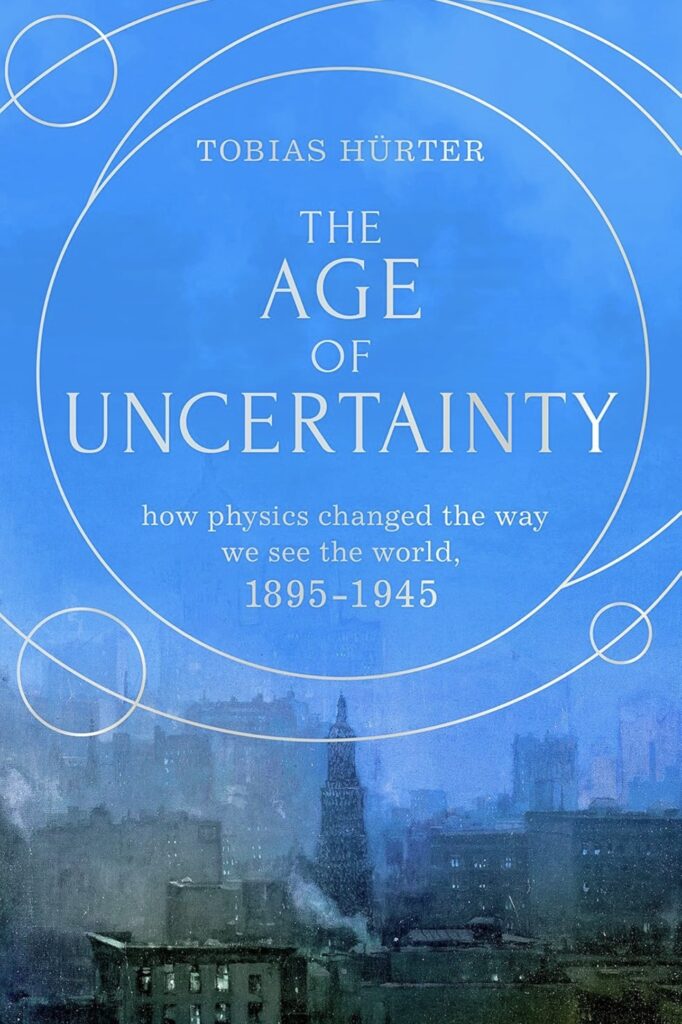
Tobias Hürter’s Age of Uncertainty covers 50 revolutionary years in physics. I’d heard of most members of this illustrious cast (from Einstein and Bohr, to Schrödinger and Oppenheimer). But don’t expect me to explain their work. What is clear though is that their accumulated insights led to the bombs at Hiroshima and Nagasaki.
Theological
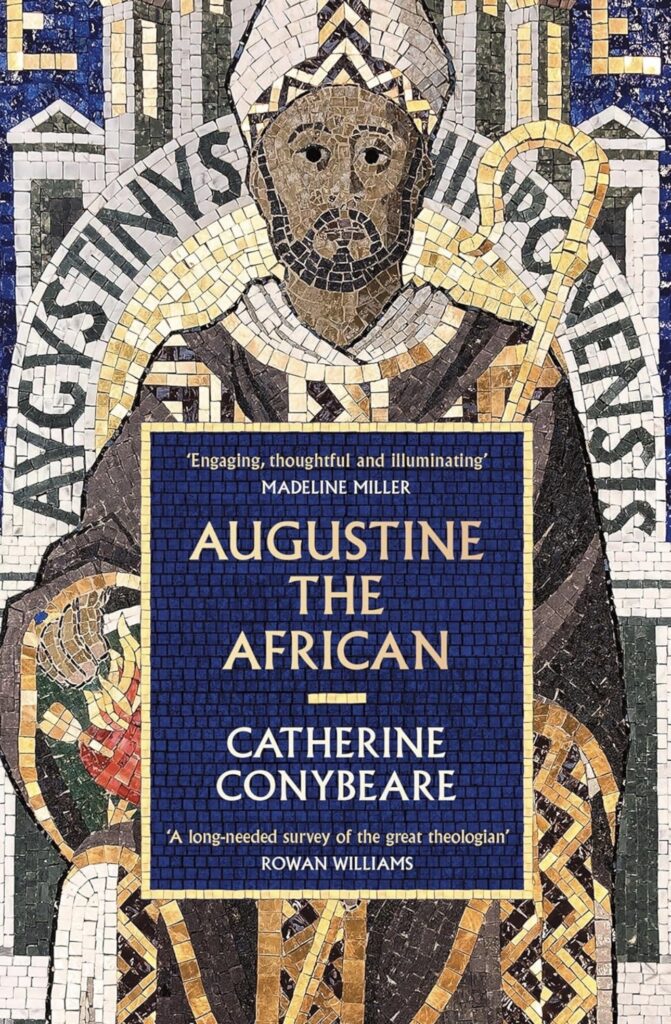
Augustine is like one of those fixed constellations through which the planets of different denominations have wandered down the centuries. So I’d learned the basics of his biography and read some of his work.
But this remarkable book takes a radically new approach simply by seeing him in his culture. Augustine was an African (in the Roman sense – ie modern North Africa) and it shaped everything about him, often in tension with his Romanness.
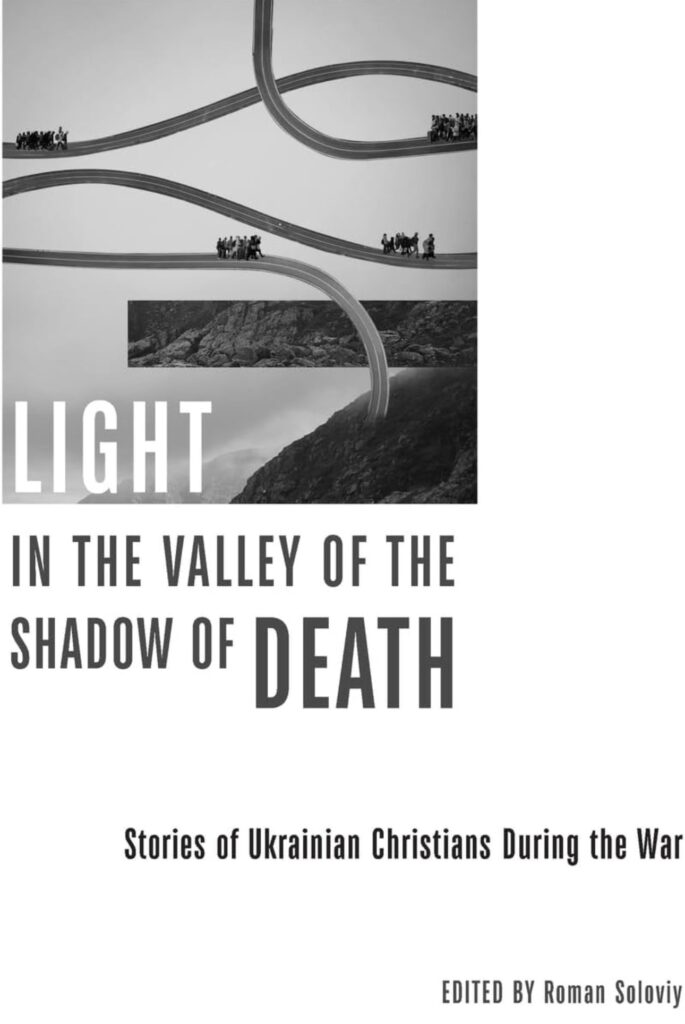
I’ve not yet finished this book since I can only take it in short bursts. And full disclosure, Roman Soloviy its editor, and a few contributors are friends. But this is such a crucial book.
Light in the Valley of the Shadow of Death is a remarkable illustration of people wrestling theologically with the world’s worst horrors in their very midst. I’ve read few texts to compete with the visceral power of the opening chapter, for example, which is the diary of the first months of the war by theologian Taras Dyatlik. It all makes it very real. And yet is also deeply inspiring.
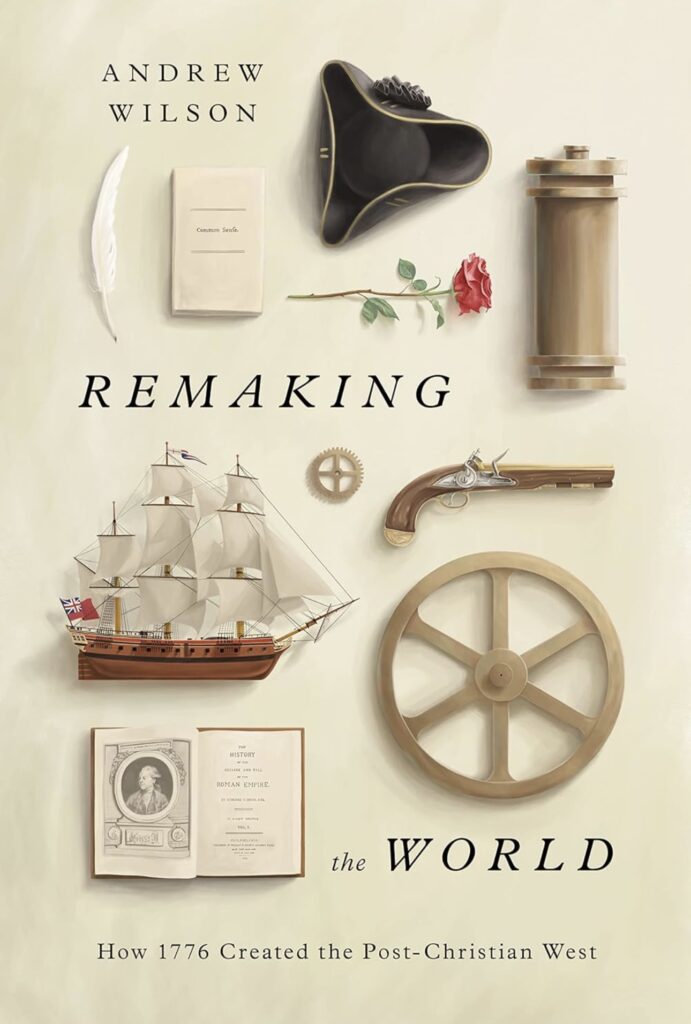
I have a confession. I was a bit jealous of this; why didn’t I think of it?! But then I don’t have Andrew Wilson’s scholarship, breadth and creativity. (NB he’s another acquaintance) Remaking the World is breathtaking in its scope and coherence.
He draws on political, cultural and philosophical history to show how 1776 really did get the ball rolling for the world we know today. I initially assumed it was a bit of a gimmick. But no! It really does seem to fit together as Andrew says it does. A tour de force.
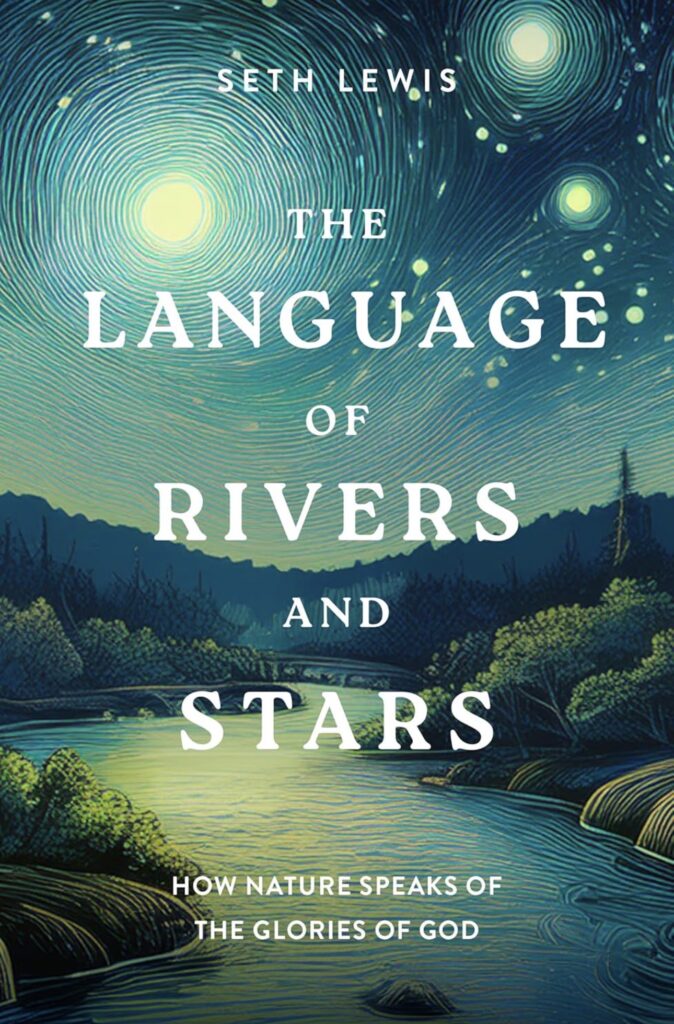
Seth Lewis is an American pastor working in the Irish Republic. And he has a profound love for the natural world. Several trusted friends raved about The Language of Rivers and Stars so I wanted to see for myself what the fuss was about. I was not disappointed.
Unlike far too many Christian books, this is actually beautifully written (!) and successful avoids the trite or simplistic. His enthusiasm and wonder are infectious, making this book a super antidote to cynicism.

3 responses
OOh Mark so glad you loved Orbital, For thy great mercy and Remaking hte world. Have Nonsuch on preorder and now have lots of suggestions-thank you