
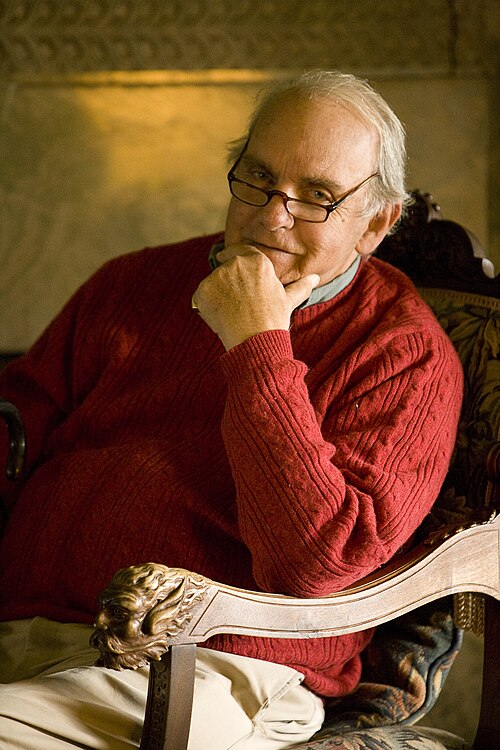
 Frederick Buechner (1926-2022; pronounced ‘Beakner‘) was an American Presbyterian minister, theologian and, most notably for our purposes, writer. He was prolific in both fiction (15 novels), poetry and non-fiction. He was heralded in his lifetime for his brilliance and creativity, though inevitably, his books have perhaps not maintained their deserved popularity.
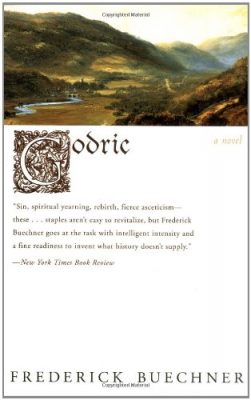
The novel for which he is best known is surprising! A relatively short work, Godric tells the semi-fictional story of an obscure figure from 12th century Northumberland. Godric of Finchale (apparently pronounced ‘finkle’ acc. to English Heritage!) was a hermit with a heavy conscience, a former Crusader who essentially withdrew from society to a cave on the River Wear, north of Durham. He longs to be left alone to seek God and avoid his past. But the Bishop of Durham was having none of it, and so the Abbot of Rievaulx Abbey sent a young monk, Reginald, to live with Godric in his very old age, to write up this holy man’s life. 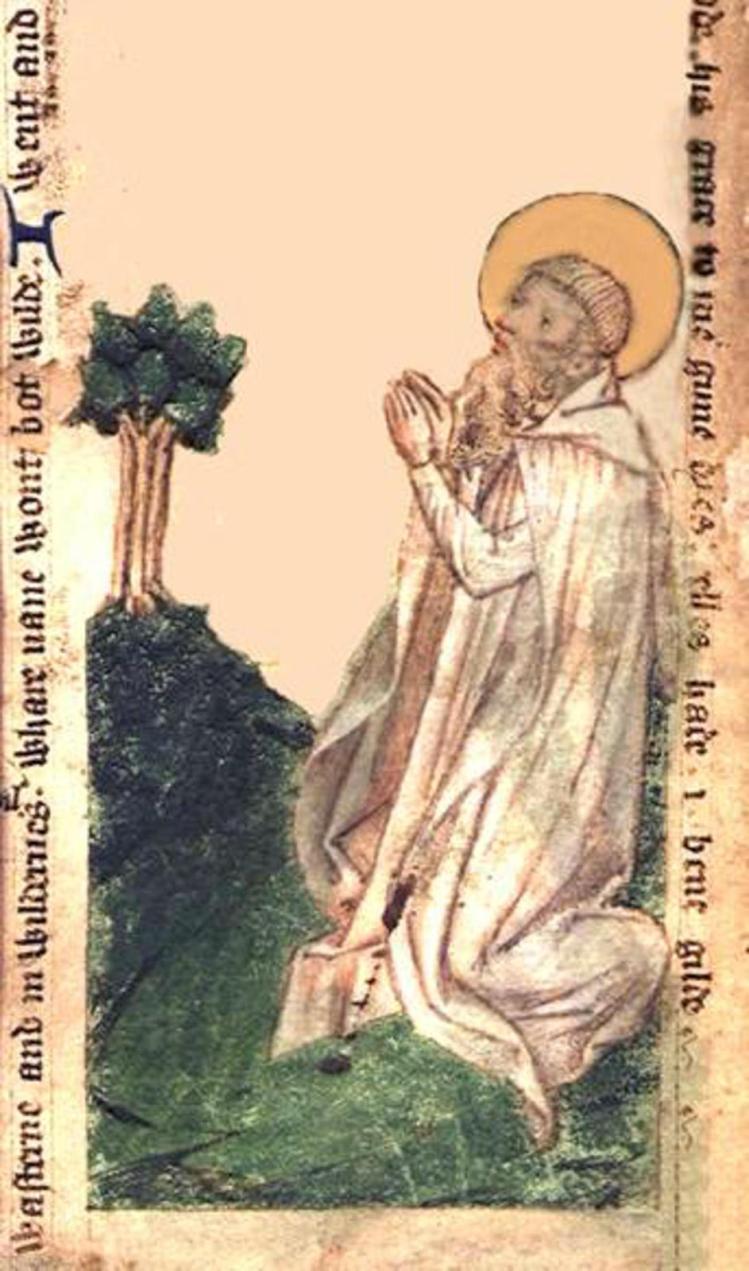 The result is a hagiography (literally writing about a saint). The word has since come to mean a biography primarily concerned to present the subject in the best light with all warts removed (with probably a few miracles thrown in). But Godric is infuriated by this, not least because he knows his past.
The result is an extraordinary, moving and compelling book, wrestling with the nature of good and evil, sin and righteousness, guilt and forgiveness;  essentially it’s about how messed up we all are. It’s no surprise that it was a finalist for the 1981 Pulitzer Prize.
Buechner wrote:
I picked up a small book of saints and opened it, by accident, to the page that had Godric on it. I had never so much as heard of him before, but as I read about him, I knew he was for me, my saint.
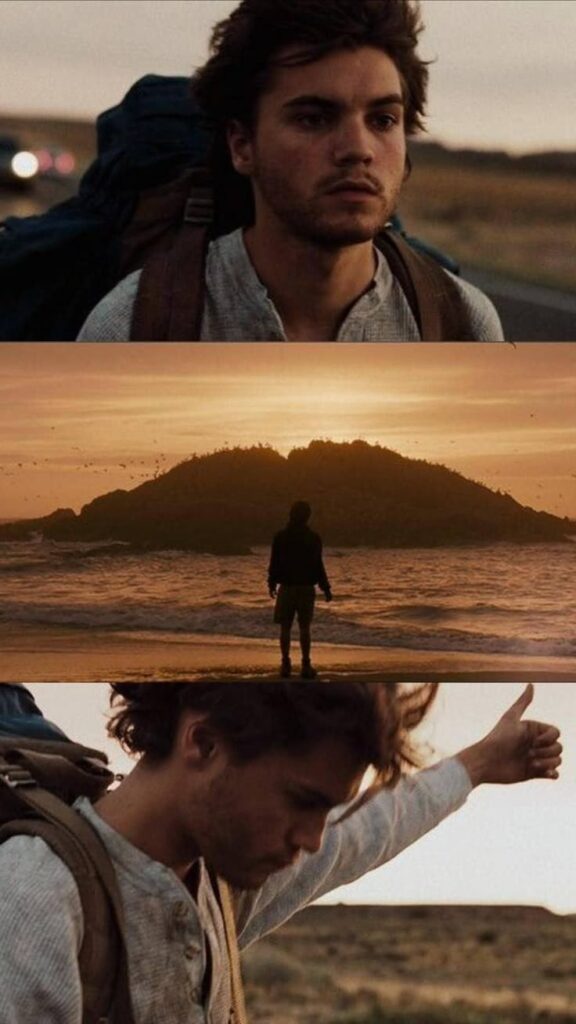
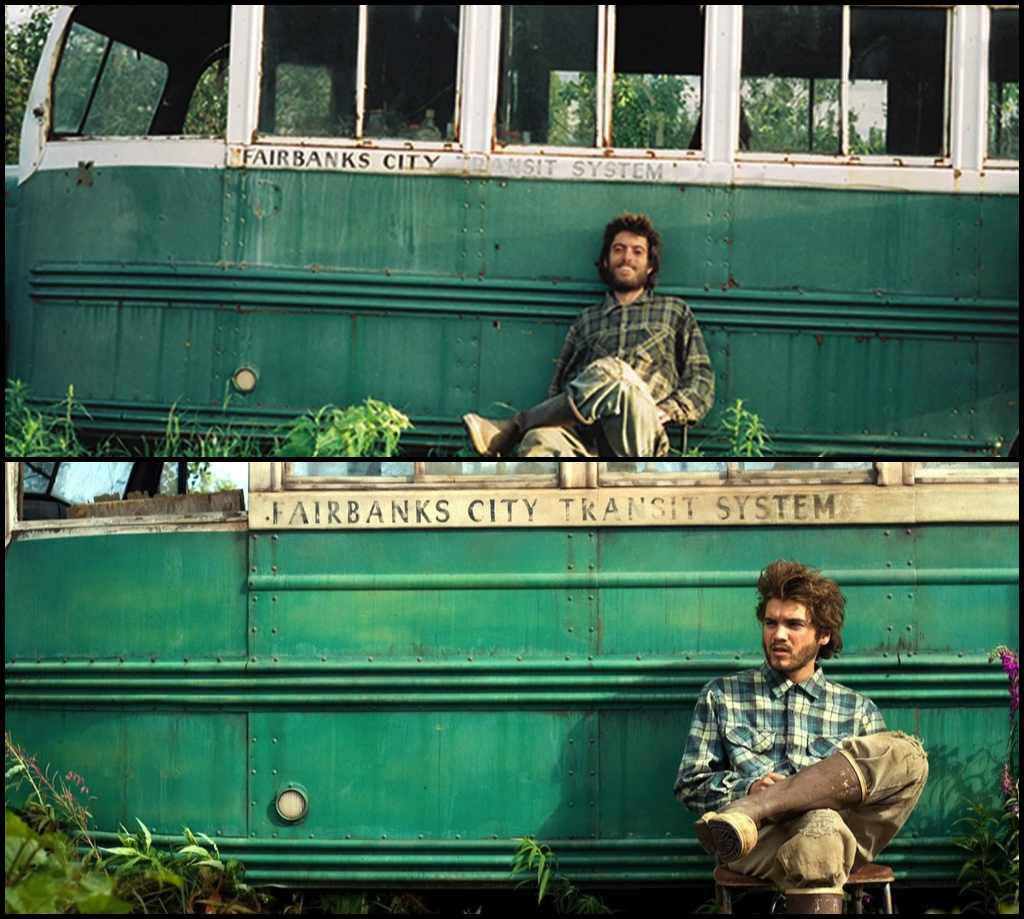
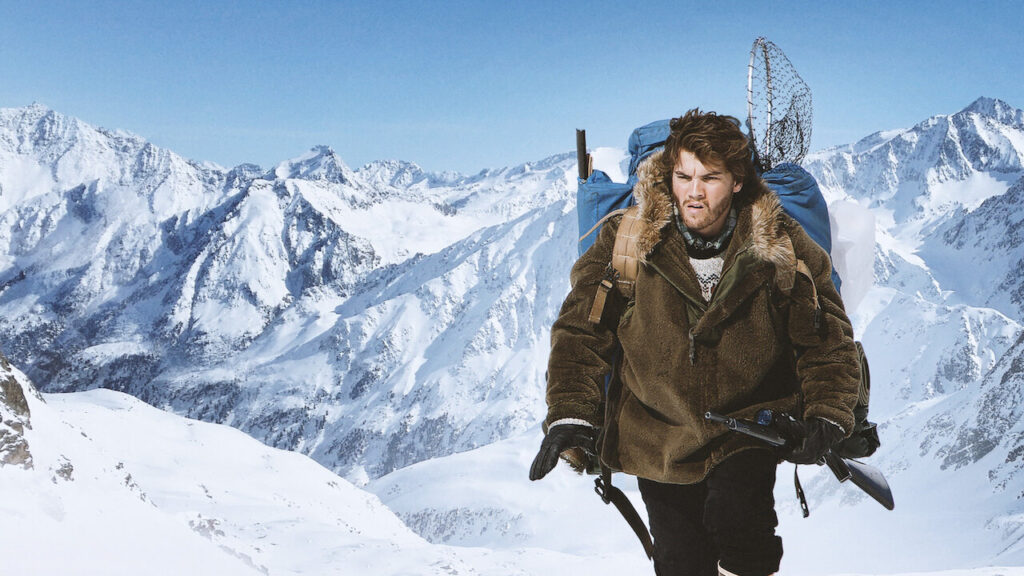
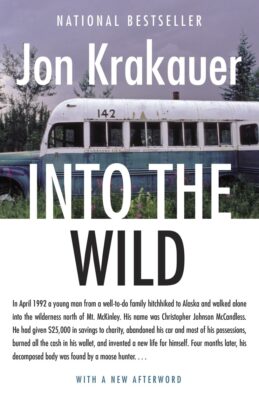 Chris McCandless was utterly disenchanted with the hypocrisies and platitudes of modern, especially suburban, American life, as exemplified by his parents. So in May 1990, freshly graduated from university, he leaves home without telling anyone to escape to the wilderness. He travels all over in his clapped out car until it’s wrecked in a flood. He hitchhikes, meeting various people with extraordinary stories of their own. He is aiming for Alaska, and he eventually finds an abandoned bus in the Alaskan wilderness in April 1992. He sets up his base there, naming it ‘The Magic Bus’, and all seems ideal. However, things start to go wrong, especially as the weather turns. He also comes to realise how much he desperately craves human company. But when he tries to retrace his steps, the stream he crossed before has become a lethal torrent, forcing him back.
 He has to resort to foraging for food, and then becomes fatally ill after eating a poisonous plant. He keeps a journal as he slowly declines. Some weeks later, hunters find his body and the family are contacted.
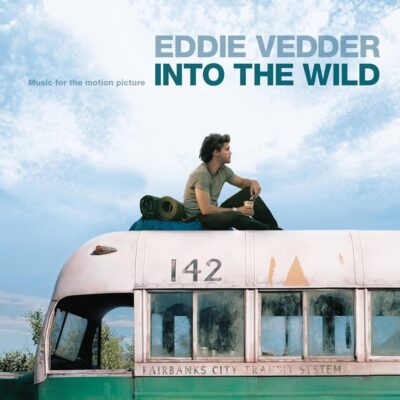
Sean Penn’s film is a heart-breaking story adapted from the research of mountaineer and writer Jon Krakauer, whose book Into the Wild stayed at the top of bestseller lists for 2 years. It is beautifully shot and well-paced, with a superb performance by Emile Hirsch in particular. (Sadly, he seems not to have landed the productions or parts that enabled him to reach such heights since). To top it all, the soundtrack is simply stunning: Eddie Vedder (of Pearl Jam) wrote and sang the songs. I’ve had seasons over the years of keeping the album on repeat.
But the film is more than the sum of all these extraordinary parts and is one of those that stays with you long after viewing.

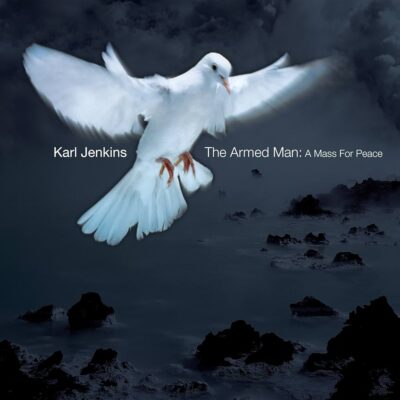
Commissioned by the Royal Armouries Museum to mark its move from London to Leeds at the Millennium, Jenkins combines the original form with texts from the Bible, the Islamic call to prayer, and the Hindu epic the Mahabharata. But just as Benjamin Britten did with his War Requiem after the Second World War, Jenkins throws in more contemporary poetry for good measure.
- “The Armed Man” – 6:25
- “
 The Call to Prayers (Adhaan)” – 2:04
 - “Kyrie” – 8:12
- “Save Me from Bloody Men” – 1:42
- “Sanctus” – 7:00
- “Hymn Before Action” – 2:38
- “Charge!” – 7:26
- “Angry Flames” – 4:44
- “Torches” – 2:58
- “Agnus Dei” – 3:39
- “Now the Guns Have Stopped” – 3:25
- “Benedictus” – 7:36
- “Better Is Peace” – 9:33
Podcast: Play in new window | Download